If you’ve been wondering what happens to your tooth during veneer placement in Oak Forest, you’re not alone. Many patients feel nervous simply because they don’t know what to expect. Understanding each step of the process can ease that anxiety considerably. At Advanced Solutions Family Dental, Dr. Carly Paragas walks every patient through the journey before a single instrument is picked up.
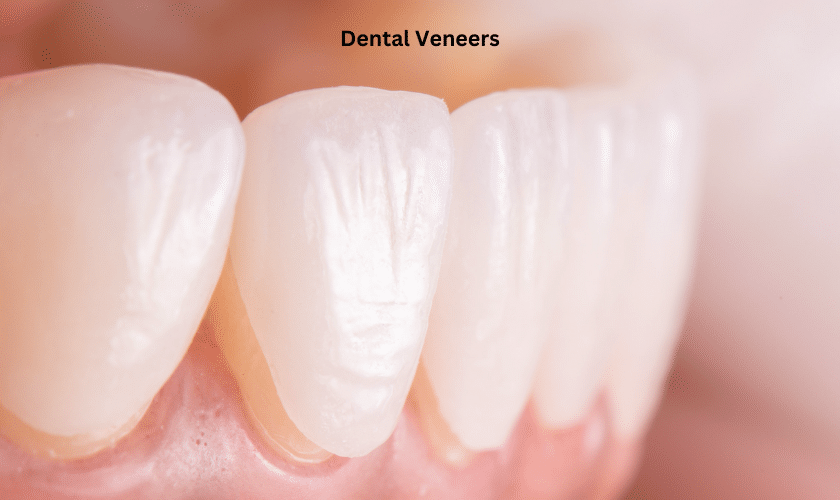
Veneers are thin porcelain shells bonded to the front surface of your teeth. They correct discoloration, chips, gaps, and uneven shapes. The placement process is precise and involves several distinct stages. Knowing those stages helps you feel prepared and in control.
Your Veneer Consultation: Where the Process Begins in Oak Forest
The first appointment is a thorough consultation. Dr. Paragas examines your teeth, gums, and bite carefully. She checks that your teeth and gums are healthy enough to support veneers. If any underlying issues exist, those are addressed before moving forward.
During the consultation, you also discuss your smile goals. You talk about the shape, length, and overall look you want to achieve. Dr. Paragas uses digital imaging tools to give you a preview of potential results. This conversation is essential — it ensures the final veneers match your expectations.
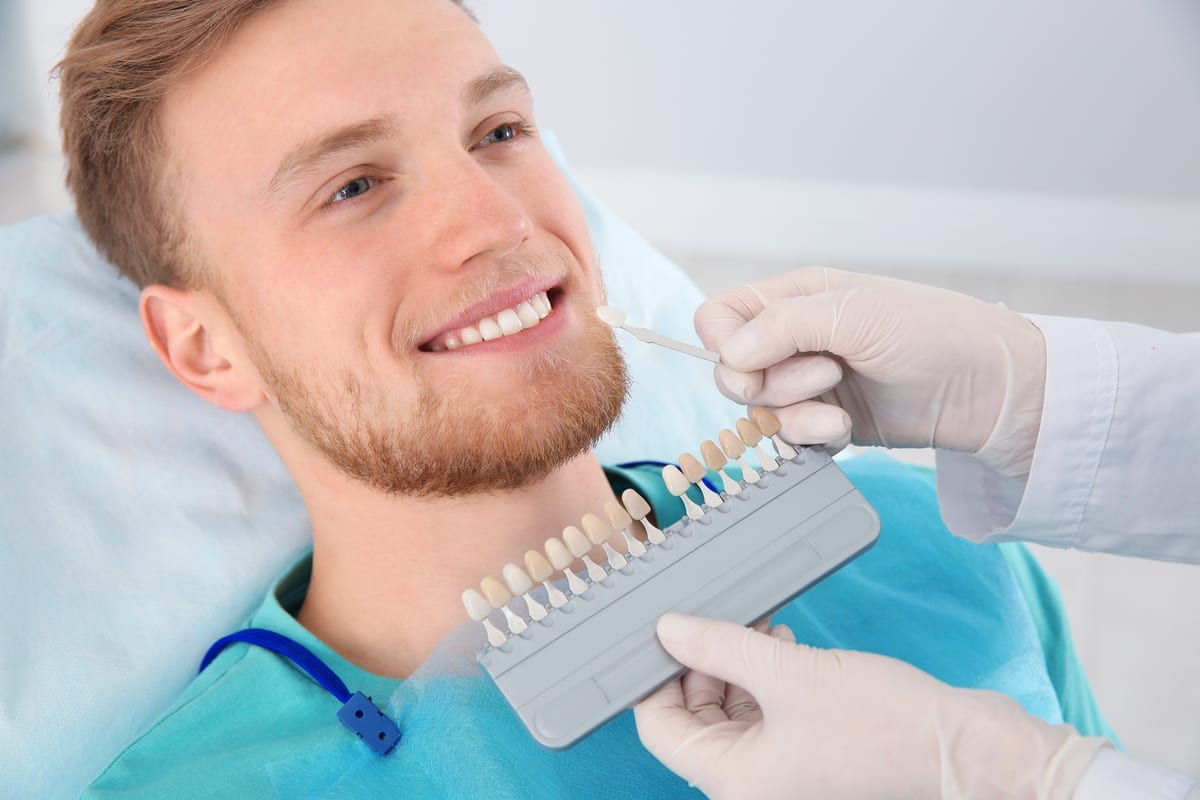
Shade selection happens at this stage as well. You choose a porcelain shade that complements your natural skin tone. The goal is a bright, natural-looking result — not an artificial appearance. Dr. Paragas guides you through shade samples to find the perfect match.
Tooth Preparation and Enamel Removal: What Veneer Placement Actually Involves
Once you’re ready to proceed, the next appointment focuses on tooth preparation. This is the step that concerns many patients the most. Dr. Paragas removes a small, precise layer of enamel from the front surface of each tooth. The amount removed is typically between 0.3 and 0.5 millimeters.
This step is permanent and irreversible. It creates a rougher surface for the veneer to bond to securely. Local anesthesia is used so you feel comfortable throughout the process. Most patients experience little to no discomfort during preparation.
Here is why enamel removal is necessary:
- It ensures the veneer sits flush with surrounding teeth
- It creates a strong bonding surface for the porcelain shell
- It prevents the finished veneer from looking bulky or unnatural
- It allows the veneer to reflect light the same way natural enamel does
After preparation, Dr. Paragas takes precise impressions of your teeth. These impressions are sent to a professional dental laboratory. Skilled technicians use them to craft your custom porcelain veneers. This process typically takes one to two weeks.
The Temporary Veneer Phase: Protecting Your Teeth Between Appointments
While your permanent veneers are being fabricated, temporary veneers protect your prepared teeth. These temporaries are made from a composite resin material. They don’t look as polished as your final veneers, but they serve an important purpose. They shield your sensitive enamel and help you adjust to the new shape of your smile.
You should treat temporary veneers with care. Avoid biting into hard or crunchy foods during this phase. Stay away from sticky foods that could dislodge the temporaries. Also avoid biting your nails or chewing on hard objects like pen caps.
Some patients notice mild sensitivity during the temporary phase. This is completely normal after enamel removal. The sensitivity typically fades once your permanent veneers are bonded in place. Reach out to our Oak Forest office if sensitivity feels severe or unusual.
This waiting period also gives you a chance to evaluate the general shape and size of your new smile. If something doesn’t feel right, this is the ideal time to communicate that to Dr. Paragas. Adjustments are much easier to make before the permanent veneers are bonded.
Final Bonding: Completing Your Veneer Placement in Oak Forest
When your custom veneers arrive from the lab, you return for the bonding appointment. Dr. Paragas places each veneer on the corresponding tooth first without adhesive. This allows her to check the fit, shape, and shade before committing. Minor adjustments can be made at this stage if needed.
Once you’re both satisfied with the appearance, the bonding process begins. Dr. Paragas cleans and lightly etches the surface of each prepared tooth. A special dental cement is applied to the inside of the veneer. The veneer is then carefully placed onto the tooth.
A curing light hardens the cement almost instantly. Dr. Paragas then checks your bite carefully to make sure everything aligns correctly. Any small excess cement is removed from around the edges. The final result is a smooth, natural-looking, and durable surface.
Here is a summary of what to expect at your bonding appointment:
- Dr. Paragas places veneers temporarily to check fit and shade
- Your teeth are cleaned and lightly etched for bonding
- Dental cement is applied and veneers are positioned precisely
- A curing light bonds each veneer securely in seconds
- Your bite is checked and final polish is completed
Caring for Your Veneers After Placement
Porcelain veneers are durable, but they do require proper care. Brush twice daily with a non-abrasive toothpaste. Floss every day to keep gum tissue healthy around each veneer. Regular checkups at Advanced Solutions Family Dental help maintain both your veneers and overall oral health.
Avoid habits that can chip or crack porcelain. Don’t bite your nails or chew on ice. Wear a night guard if you grind your teeth while sleeping. With the right care, your veneers can last ten to fifteen years or longer.
Veneers don’t stain the same way natural enamel does. However, it’s still wise to limit coffee, red wine, and tobacco use. Keeping the surrounding gum tissue healthy also protects the longevity of each veneer. Your investment in your smile is well worth protecting.
If you’re ready to explore what a transformed smile can look like for you, our team in Oak Forest is here to help. Book Now to schedule your appointment with our team.
Frequently Asked Questions
Does veneer placement hurt?
Most patients experience little to no discomfort during the procedure. Dr. Paragas uses local anesthesia during the enamel preparation stage. Some mild sensitivity is normal after preparation, but it typically fades once permanent veneers are bonded. Our team takes every step to keep you comfortable throughout the process.
How much enamel is actually removed during veneer placement?
Only a very thin layer of enamel is removed — usually between 0.3 and 0.5 millimeters. This is roughly the same thickness as the veneer itself. The removal ensures the final restoration looks natural and fits flush with surrounding teeth. It is a precise and minimally invasive step when performed by an experienced dentist like Dr. Paragas.
How long does the entire veneer process take from start to finish?
The full process typically takes two to three appointments spread over two to three weeks. The first appointment is your consultation and shade selection. The second appointment covers tooth preparation and temporary veneer placement. The final appointment is for bonding your permanent porcelain veneers.
Can I choose what shade my veneers will be?
Yes, absolutely. Shade selection is one of the most exciting parts of the veneer process. Dr. Paragas walks you through porcelain shade options that suit your skin tone and smile goals. The aim is always a natural, radiant result that complements your unique appearance.
How long do porcelain veneers last?
With proper care, porcelain veneers typically last ten to fifteen years or longer. Daily brushing, flossing, and regular dental checkups are essential for longevity. Avoiding habits like nail biting, chewing ice, and grinding teeth also extends the life of your veneers significantly. Dr. Paragas can recommend a night guard if teeth grinding is a concern for you.