Is Your Gum Disease Treatable? What Our Evaluation Reveals

Is Your Gum Disease Treatable? What Our Evaluation Reveals

Is your gum disease treatable? Dr. Carly Paragas evaluates candidacy and treatment options in Oak Forest, IL. Schedule your periodontal evaluation today.

Many Oak Forest patients ask the same important question: is your gum disease treatable, and what does our evaluation reveal? The answer depends on several personal factors. At Advanced Solutions Family Dental, Dr. Carly Paragas takes a thorough, individualized approach to every periodontal evaluation. Understanding your candidacy is the first and most important step toward healthier gums.

Gum disease affects millions of Americans at various stages. Some cases are mild and respond quickly to professional care. Others require more advanced treatment plans. Either way, knowing where you stand gives you the power to take action.

What Is Gum Disease and Who Is at Risk in Oak Forest?

Gum disease — also called periodontal disease — is a bacterial infection of the tissues surrounding your teeth. It begins as gingivitis, the earliest and most reversible stage. If left untreated, it can progress to periodontitis, which damages bone and tissue more severely.

Certain factors increase your risk of developing gum disease. These include:

  • Inconsistent or insufficient brushing and flossing habits
  • Smoking or tobacco use of any kind
  • Diabetes or other systemic health conditions
  • Genetic predisposition to gum problems
  • Hormonal changes during pregnancy or menopause
  • Dry mouth caused by medications or health issues

Knowing your risk level helps Dr. Paragas design a treatment plan that truly fits your situation. Oak Forest patients often discover that several of these factors apply to them at once. That combination makes professional evaluation even more essential.

What Our Periodontal Evaluation Involves at Our Oak Forest Office

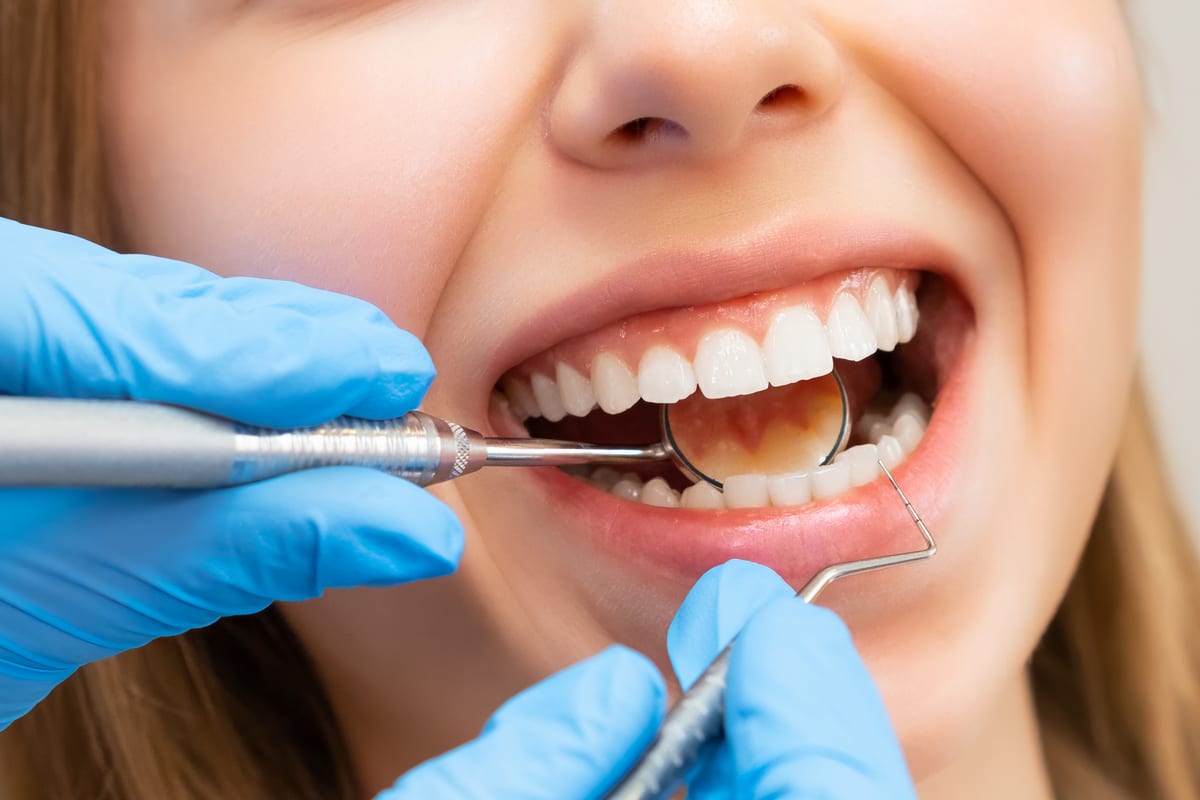
The evaluation process at Advanced Solutions Family Dental is comprehensive and comfortable. Dr. Paragas examines your gums, teeth, and supporting bone structure carefully. Every detail of that examination informs your personalized treatment path.

Here is what you can expect during your periodontal evaluation:

  1. Periodontal probing: A small instrument measures pocket depth around each tooth. Deeper pockets indicate more advanced disease.
  2. Digital X-rays: These reveal bone loss that is not visible to the naked eye. Bone loss is a key indicator of periodontitis severity.
  3. Gum tissue assessment: Dr. Paragas checks for bleeding, swelling, recession, and redness. These signs help determine the current stage of your condition.
  4. Medical history review: Systemic conditions and medications can affect gum health significantly. This review ensures your treatment plan accounts for your full health picture.
  5. Patient goals discussion: Your comfort, timeline, and priorities matter. Dr. Paragas listens carefully before recommending any next steps.

This evaluation typically takes less than an hour. You leave with a clear understanding of your gum health status. Most importantly, you have a concrete plan moving forward.

Who Is a Good Candidate for Gum Disease Treatment?

The good news is that most people with gum disease are candidates for some form of effective treatment. The right approach simply depends on the stage and severity of your condition. Dr. Paragas tailors every recommendation to match your unique clinical picture.

Patients with early-stage gingivitis often respond very well to professional cleaning and improved home care. Swollen, bleeding gums at this stage can reverse course with consistent treatment. Many Oak Forest patients see dramatic improvement within just a few weeks.

Those with moderate to advanced periodontitis may need deeper, more targeted care. Scaling and root planing — sometimes called a deep cleaning — removes bacteria from below the gumline. This non-surgical procedure is highly effective for many patients in this category.

Factors that make you a strong candidate for successful treatment include:

  • Willingness to maintain regular follow-up visits
  • Commitment to improved brushing and flossing habits at home
  • Controlled or well-managed systemic health conditions
  • Non-smoker status or readiness to reduce tobacco use
  • Early to moderate disease stage at the time of evaluation

Even patients with more advanced disease often have viable treatment options. Dr. Paragas discusses every available path with you honestly. No patient is turned away without a clear picture of what is possible.

What Factors Determine the Best Treatment Approach for You?

Your evaluation results guide every treatment decision at Advanced Solutions Family Dental. No two mouths are exactly alike. That is why Dr. Paragas never uses a one-size-fits-all approach to periodontal care in Oak Forest.

Pocket depth measurements are one of the strongest indicators of disease severity. Shallow pockets of one to three millimeters are generally healthy. Pockets deeper than four millimeters signal active disease that requires professional intervention.

Bone loss visible on X-rays also shapes the treatment path significantly. Moderate bone loss may respond well to non-surgical deep cleaning. Severe bone loss may require referral to a specialist or more advanced procedures.

Your overall health plays a major role as well. Patients managing diabetes, for example, may need a more aggressive maintenance schedule. Dr. Paragas coordinates your dental care with your broader health needs whenever necessary.

Finally, your personal commitment to home care affects long-term outcomes enormously. Treatment works best when paired with consistent daily hygiene habits. Dr. Paragas and her team provide clear, practical guidance that is easy to follow at home.

How Advanced Solutions Family Dental Supports Your Gum Health Long-Term

Treating gum disease is not a one-time event — it is an ongoing partnership. Advanced Solutions Family Dental offers continued periodontal maintenance visits to keep your gums healthy after active treatment. These visits typically occur every three to four months for patients with a history of gum disease.

Dr. Paragas also connects periodontal health to overall wellness. Research links gum disease to heart disease, diabetes complications, and other systemic conditions. Treating your gums protects far more than just your smile.

Oak Forest patients benefit from a full range of supportive services under one roof. Whether you need periodontal care, dental crowns, or cosmetic enhancements after gum treatment, our team has you covered. Continuity of care means better outcomes and a more comfortable experience overall.

If you have been wondering whether your gum disease is treatable, the answer starts with a single evaluation. Dr. Paragas will give you honest, clear answers based on what she actually finds. Book Now to schedule your appointment with our team.

Frequently Asked Questions

Is gum disease always reversible?

Early-stage gum disease, called gingivitis, is fully reversible with professional cleaning and improved home care. Advanced periodontitis causes permanent bone and tissue damage that cannot be fully reversed. However, progression can be stopped and managed effectively with the right treatment plan from Dr. Paragas.

How do I know if I have gum disease?

Common signs include bleeding gums when brushing, persistent bad breath, swollen or tender gum tissue, and teeth that feel loose. Some patients have no noticeable symptoms at all. A professional periodontal evaluation at Advanced Solutions Family Dental is the only reliable way to know for certain.

Does gum disease treatment hurt?

Most patients find periodontal treatment very manageable. Dr. Paragas uses local anesthesia during deeper cleaning procedures to ensure your comfort. Mild sensitivity after treatment is normal and typically resolves within a few days.

How long does gum disease treatment take?

Treatment duration depends on the severity of your condition. Mild gingivitis may improve after one or two professional cleanings. Moderate to advanced periodontitis may require multiple scaling and root planing sessions followed by a long-term maintenance schedule every three to four months.

Can gum disease affect my overall health?

Yes — research links untreated gum disease to increased risk of heart disease, stroke, diabetes complications, and respiratory issues. Treating your periodontal health is an important part of protecting your overall wellbeing. Dr. Paragas considers your full medical history when developing your personalized treatment approach.
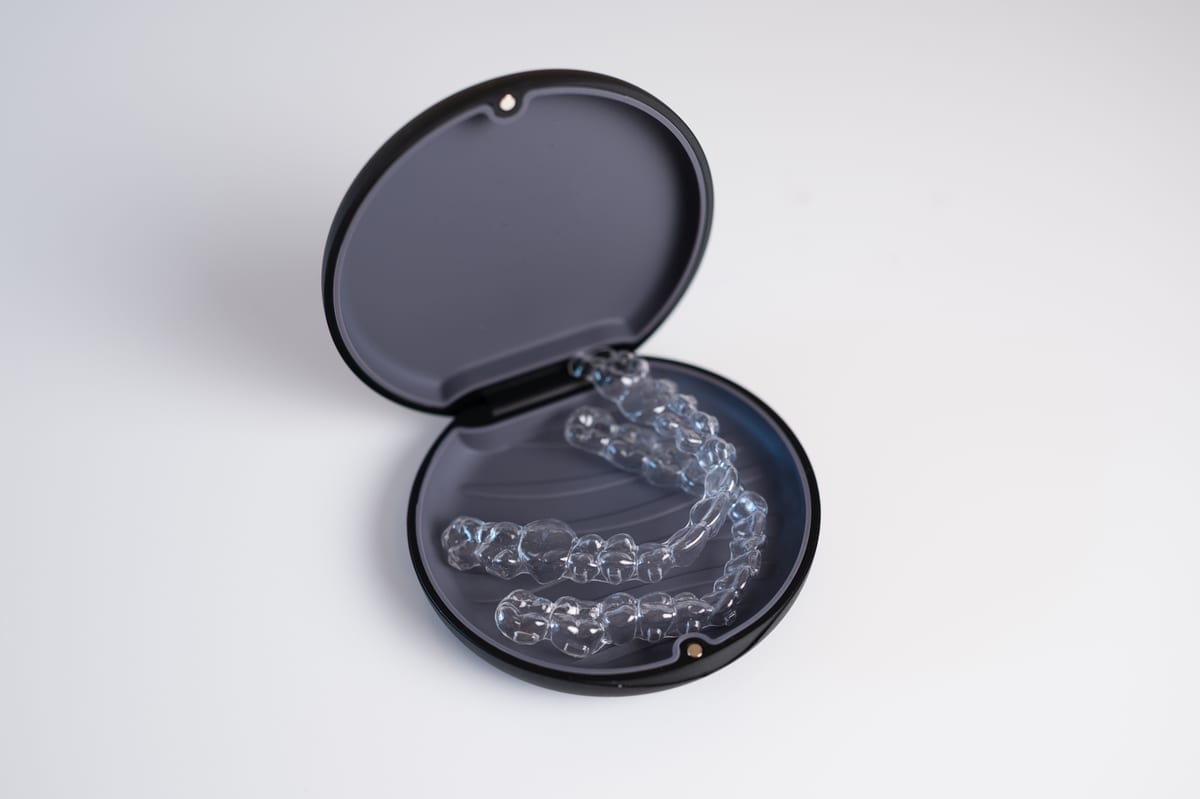

Why Invisalign Costs Vary So Much Between Patients

Wondering why Invisalign costs vary so much between patients in Oak Forest? Dr. Carly Paragas explains what drives pricing. Learn more today.

If you have asked about Invisalign and wondered why the cost looks different for everyone, you are not alone. Why Invisalign costs vary so much between patients in Oak Forest is one of the most common questions Dr. Carly Paragas hears at Advanced Solutions Family Dental. The short answer is that every smile is unique. Treatment needs, complexity, and duration all play a role in shaping what your Invisalign journey looks like — and what it costs.

Understanding these factors helps you make a more informed decision. This article breaks down exactly what drives the difference in Invisalign pricing from one patient to the next.

Case Complexity Is the Biggest Cost Driver

Not every alignment issue requires the same level of correction. A patient with minor crowding needs far less treatment than someone correcting a significant overbite or multiple spacing concerns. The more complex your case, the more work your aligners must do.

Invisalign uses a tiered system based on case complexity. Mild cases may qualify for a shorter, more streamlined treatment program. More involved cases require a full treatment plan with a greater number of aligners and longer wear time.

Common issues that increase case complexity include:

  • Significant overbite, underbite, or crossbite
  • Severe crowding or widely spaced teeth
  • Multiple teeth requiring movement simultaneously
  • Jaw alignment concerns alongside tooth positioning
  • Previous orthodontic treatment that has relapsed

Dr. Paragas evaluates your bite, spacing, and overall alignment at your consultation. That assessment forms the foundation of your treatment plan and its associated cost.

How the Number of Aligners Affects Your Investment

Each Invisalign tray is custom-fabricated using precise digital scans of your teeth. You wear each tray for a set period before moving to the next one. The total number of trays you need directly influences the overall cost of treatment.

A short treatment program might involve fewer than 15 sets of aligners. A comprehensive case may require 30 or more. Each aligner must be manufactured individually to match the planned progression of your tooth movement.

Because the aligners are produced using advanced technology and medical-grade materials, each set carries a production cost. More aligners equal more material, more fabrication time, and ultimately a higher total investment.

This is why two patients sitting in the same waiting room can receive very different estimates. The physical volume of treatment required simply differs based on what each smile needs.

Refinements and Mid-Course Corrections Add to the Total

Even with precise digital planning, teeth do not always move exactly as predicted. When that happens, refinements become necessary. Refinements are additional aligner sets created to fine-tune your results after the initial series is complete.

Some Invisalign packages include a set number of refinements within the original cost. Others may charge separately depending on the scope of correction needed. This is an important detail to clarify at the start of your treatment.

Factors that can lead to refinements include:

  • Teeth not tracking perfectly with the planned movement
  • Patient compliance issues during treatment
  • Biological variation in how individual teeth respond to pressure
  • Changes in bite during treatment that require adjustment

Dr. Paragas monitors your progress closely throughout treatment. Catching small tracking issues early can reduce the likelihood of needing extensive refinements later.

Why Invisalign Costs Vary Between Patients in Oak Forest Based on Treatment Length

Treatment duration and total cost are closely linked. A patient who completes treatment in eight months simply requires less ongoing clinical involvement than someone whose correction takes eighteen months or more.

Longer treatment means more check-in appointments, more monitoring, and more clinical time devoted to your case. All of these elements factor into what you pay for comprehensive orthodontic care.

Shorter Invisalign programs are typically designed for mild cosmetic corrections. They move fewer teeth and achieve more limited changes. They also tend to cost less because the scope of work is smaller.

When you come in for your consultation at Advanced Solutions Family Dental, Dr. Paragas will give you a realistic timeline based on your specific alignment needs. That timeline directly informs the overall cost estimate you receive.

Additional Factors That Can Influence Invisalign Pricing

Beyond case complexity and aligner count, a few other elements may affect your final cost. These are worth understanding before you commit to treatment.

Attachments are small tooth-colored bumps bonded to your teeth to help aligners grip and move teeth more precisely. More complex movements often require more attachments. Their placement and removal add clinical steps to your treatment.

Retainers after treatment are also part of the bigger picture. Once your active Invisalign phase ends, retainers help hold your results in place. These are typically a separate cost from the aligner treatment itself.

The experience and technology available at your dental office also play a role. A practice that uses advanced digital scanning, like the tools at Advanced Solutions Family Dental, can provide more accurate treatment planning from the start. That precision can reduce the chance of costly mid-course corrections.

What to Expect at Your Invisalign Consultation in Oak Forest

The best way to understand your personal Invisalign cost is to schedule a consultation. There is no universal price list that applies to every patient, because no two cases are the same.

During your visit with Dr. Carly Paragas, you can expect a thorough evaluation of your teeth, bite, and overall oral health. Digital scans may be taken to map your current alignment. From that information, a customized treatment plan is developed specifically for you.

You will receive a clear breakdown of what your treatment involves, how long it is expected to take, and what the cost reflects. Understanding the reasoning behind your estimate helps you feel confident in the process.

Oak Forest patients appreciate the straightforward, educational approach Dr. Paragas and the Advanced Solutions Family Dental team bring to every consultation. The goal is always to help you make the right decision for your smile and your life.

Ready to find out what your Invisalign journey would look like? Book Now to schedule your appointment with our team.

Frequently Asked Questions

Why does my Invisalign estimate look different from a friend’s in Oak Forest?

Every patient has a unique alignment situation. Case complexity, the number of aligners required, and treatment length all differ from person to person. These variables directly shape the cost of your individual treatment plan.

Does a more complex case always mean a longer treatment time?

Generally, yes. More significant alignment corrections require more aligner sets and more time for teeth to move safely. Rushing the process can compromise results, so treatment length is guided by what your teeth actually need.

Are refinements always included in the original Invisalign cost?

It depends on the treatment package selected. Some plans include a defined number of refinements. Others may involve an additional cost if further correction is needed beyond the initial series. Dr. Paragas will clarify this during your consultation so there are no surprises.

How important is wearing my aligners as directed for managing cost?

Compliance plays a major role. Aligners must be worn for the recommended hours each day to keep teeth tracking on schedule. Poor compliance can cause teeth to fall behind the plan, increasing the likelihood of refinements and extending treatment time.

What happens after Invisalign treatment is complete?

After your active treatment ends, you will transition to retainers to maintain your results. Retainers are typically a separate cost from the Invisalign treatment itself. Consistent retainer wear protects your investment and keeps your smile in its corrected position long-term.

Dental Implants vs. Dentures: Which Option Is Right for Your Life

Dental implants vs. dentures — which is right for you in Oak Forest? Dr. Carly Paragas helps you choose the best tooth replacement option. Learn more today.

Losing a tooth — or several — is one of the most common dental challenges adults face. If you live in Oak Forest and are weighing your options, the question of dental implants vs. dentures is one worth exploring carefully. Both solutions restore your smile and chewing function. But they work very differently, and the right choice depends on your health, lifestyle, and long-term goals.

Dr. Carly Paragas and the team at Advanced Solutions Family Dental help Oak Forest patients navigate this decision every day. This guide will walk you through both options honestly, so you can make an informed choice.

Understanding Dental Implants vs. Dentures: The Basics

Before comparing the two, it helps to understand what each option actually involves. A dental implant is a titanium post surgically placed into the jawbone. It fuses with the bone over time and supports a custom crown on top. The result looks, feels, and functions like a natural tooth.

Dentures, on the other hand, are removable prosthetics. They sit on the gum line and can replace several teeth or an entire arch. Modern dentures are more comfortable and realistic-looking than older versions. They are also easier to get started with, since no surgery is required.

Bridges are another option worth knowing about. A dental bridge anchors to neighboring teeth to fill a gap. Unlike implants, bridges do not preserve jawbone. Unlike dentures, they are fixed in place and not removable.

Which Option Suits Your Lifestyle in Oak Forest?

Lifestyle plays a big role in choosing between implants and dentures. If you lead an active life, eat a varied diet, and want minimal daily maintenance, implants may be the better fit. They stay permanently in place and require no adhesives or removal at night.

Dentures require more daily care. You remove them for cleaning and soaking overnight. Over time, denture fit can change as the jawbone naturally shifts. Regular adjustments with your dentist help keep them comfortable and functional.

Ask yourself these questions as you decide:

  • Do I want a permanent solution that feels like a natural tooth?
  • Am I comfortable with a surgical procedure and a healing period?
  • Is my jawbone healthy enough to support an implant?
  • Would I prefer a non-surgical option that costs less upfront?
  • How important is it that no one knows I have a tooth replacement?

Your honest answers will point you toward the right direction. Dr. Paragas can review your oral health records and help you decide what makes the most sense for your specific situation.

Key Differences: Dental Implants vs. Dentures at a Glance

It is helpful to compare both options side by side. Here is a clear breakdown of the major differences:

  • Permanence: Implants are fixed and permanent. Dentures are removable.
  • Bone health: Implants stimulate the jawbone and prevent bone loss. Dentures do not.
  • Maintenance: Implants are brushed like natural teeth. Dentures need daily removal and soaking.
  • Procedure: Implants require surgery and a healing period of several months. Dentures involve no surgery.
  • Longevity: Implants can last a lifetime with proper care. Dentures typically need replacing every 5–10 years.
  • Comfort: Implants feel like natural teeth. Dentures may shift or cause soreness.
  • Cost: Implants have a higher upfront investment. Dentures are typically less costly initially.

Neither option is universally superior. Each patient’s oral health, bone density, and personal preferences matter equally in this decision.

Who Is a Good Candidate for Dental Implants?

Not everyone qualifies for dental implants right away. Good candidates generally have healthy gums and sufficient jawbone density to support the implant post. Non-smokers tend to heal faster and have better success rates. Overall health also plays a role, as certain conditions may affect healing.

If bone loss has already occurred, a bone graft may be possible before implant placement. Dr. Paragas will assess your bone structure with imaging during your consultation. This helps ensure any implant placed has the best chance of long-term success.

Patients who are not ideal implant candidates — due to health concerns or insufficient bone — often do very well with well-fitted dentures. Advances in denture technology have made them more stable and natural-looking than ever before. Implant-supported dentures are also an option, combining the stability of implants with the coverage of full dentures.

Making Your Decision With Help From Dr. Paragas in Oak Forest

Choosing between dental implants and dentures is not a decision you have to make alone. At Advanced Solutions Family Dental, Dr. Carly Paragas takes time to listen to your concerns and explain your options clearly. There is no pressure and no one-size-fits-all answer here.

During your consultation, you will discuss your dental history, current oral health, and what matters most to you in a tooth replacement. The team will take X-rays or 3D imaging as needed. From there, you will receive a personalized recommendation that fits your life in Oak Forest.

Whether you choose implants, dentures, or another path entirely, the goal is a comfortable, functional, and confident smile. You deserve a solution that works for your real life — not just a textbook recommendation.

Ready to take the next step toward your best smile? Book Now to schedule your appointment with our team.

Frequently Asked Questions

How long do dental implants last compared to dentures?

Dental implants can last a lifetime with proper brushing, flossing, and routine dental visits. The crown on top may need replacement after 15–25 years due to normal wear. Dentures typically need to be relined or replaced every 5–10 years as the jawbone and gum tissue change shape over time.

Can I get dental implants if I already have dentures?

Yes, in many cases. Patients who currently wear dentures can transition to dental implants if they have adequate jawbone density. If bone loss has occurred from years of wearing dentures, a bone graft may be recommended first. Dr. Paragas will evaluate your situation and explain all available options.

Are dental implants painful to get?

Most patients report that the procedure is more comfortable than they expected. Local anesthesia is used during placement, so you should not feel pain during the surgery. Mild soreness and swelling are normal in the days following the procedure and are typically managed with over-the-counter pain relief.

Do dentures look natural?

Modern dentures are designed to closely match the appearance of natural teeth and gums. With proper fitting and quality materials, most people cannot tell you are wearing dentures. Your dentist customizes the shade and shape to complement your facial features for the most natural result possible.

What is the difference between implant-supported dentures and traditional dentures?

Traditional dentures rest on the gum line and may shift during eating or speaking. Implant-supported dentures are anchored to two or more implant posts placed in the jawbone. This provides significantly more stability, reduces bone loss, and eliminates the need for denture adhesive. They are a popular middle-ground option for patients missing most or all of their teeth.

What Happens to Your Tooth During Veneer Placement

Curious what happens during veneer placement in Oak Forest? Dr. Carly Paragas walks you through every step, from consultation to final bonding. Learn more today.

If you’ve been wondering what happens to your tooth during veneer placement in Oak Forest, you’re not alone. Many patients feel nervous simply because they don’t know what to expect. Understanding each step of the process can ease that anxiety considerably. At Advanced Solutions Family Dental, Dr. Carly Paragas walks every patient through the journey before a single instrument is picked up.

Veneers are thin porcelain shells bonded to the front surface of your teeth. They correct discoloration, chips, gaps, and uneven shapes. The placement process is precise and involves several distinct stages. Knowing those stages helps you feel prepared and in control.

Your Veneer Consultation: Where the Process Begins in Oak Forest

The first appointment is a thorough consultation. Dr. Paragas examines your teeth, gums, and bite carefully. She checks that your teeth and gums are healthy enough to support veneers. If any underlying issues exist, those are addressed before moving forward.

During the consultation, you also discuss your smile goals. You talk about the shape, length, and overall look you want to achieve. Dr. Paragas uses digital imaging tools to give you a preview of potential results. This conversation is essential — it ensures the final veneers match your expectations.

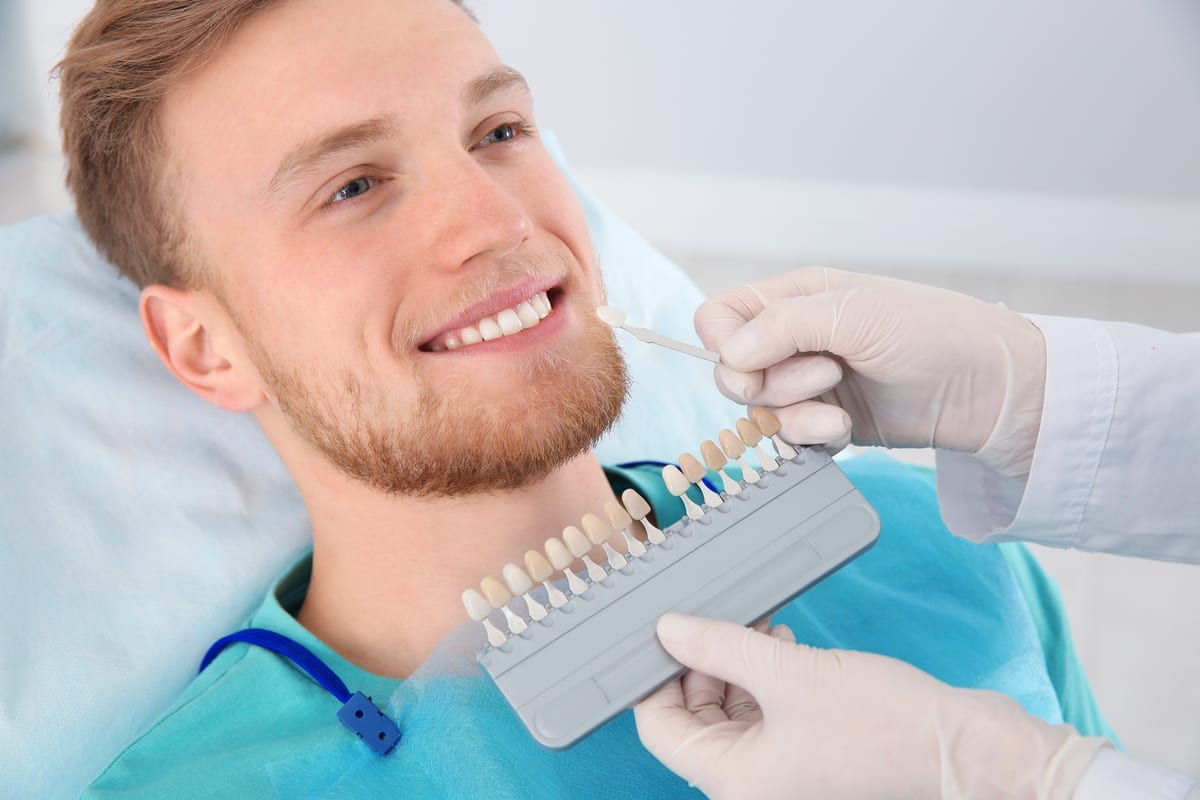
Shade selection happens at this stage as well. You choose a porcelain shade that complements your natural skin tone. The goal is a bright, natural-looking result — not an artificial appearance. Dr. Paragas guides you through shade samples to find the perfect match.

Tooth Preparation and Enamel Removal: What Veneer Placement Actually Involves

Once you’re ready to proceed, the next appointment focuses on tooth preparation. This is the step that concerns many patients the most. Dr. Paragas removes a small, precise layer of enamel from the front surface of each tooth. The amount removed is typically between 0.3 and 0.5 millimeters.

This step is permanent and irreversible. It creates a rougher surface for the veneer to bond to securely. Local anesthesia is used so you feel comfortable throughout the process. Most patients experience little to no discomfort during preparation.

Here is why enamel removal is necessary:

  • It ensures the veneer sits flush with surrounding teeth
  • It creates a strong bonding surface for the porcelain shell
  • It prevents the finished veneer from looking bulky or unnatural
  • It allows the veneer to reflect light the same way natural enamel does

After preparation, Dr. Paragas takes precise impressions of your teeth. These impressions are sent to a professional dental laboratory. Skilled technicians use them to craft your custom porcelain veneers. This process typically takes one to two weeks.

The Temporary Veneer Phase: Protecting Your Teeth Between Appointments

While your permanent veneers are being fabricated, temporary veneers protect your prepared teeth. These temporaries are made from a composite resin material. They don’t look as polished as your final veneers, but they serve an important purpose. They shield your sensitive enamel and help you adjust to the new shape of your smile.

You should treat temporary veneers with care. Avoid biting into hard or crunchy foods during this phase. Stay away from sticky foods that could dislodge the temporaries. Also avoid biting your nails or chewing on hard objects like pen caps.

Some patients notice mild sensitivity during the temporary phase. This is completely normal after enamel removal. The sensitivity typically fades once your permanent veneers are bonded in place. Reach out to our Oak Forest office if sensitivity feels severe or unusual.

This waiting period also gives you a chance to evaluate the general shape and size of your new smile. If something doesn’t feel right, this is the ideal time to communicate that to Dr. Paragas. Adjustments are much easier to make before the permanent veneers are bonded.

Final Bonding: Completing Your Veneer Placement in Oak Forest

When your custom veneers arrive from the lab, you return for the bonding appointment. Dr. Paragas places each veneer on the corresponding tooth first without adhesive. This allows her to check the fit, shape, and shade before committing. Minor adjustments can be made at this stage if needed.

Once you’re both satisfied with the appearance, the bonding process begins. Dr. Paragas cleans and lightly etches the surface of each prepared tooth. A special dental cement is applied to the inside of the veneer. The veneer is then carefully placed onto the tooth.

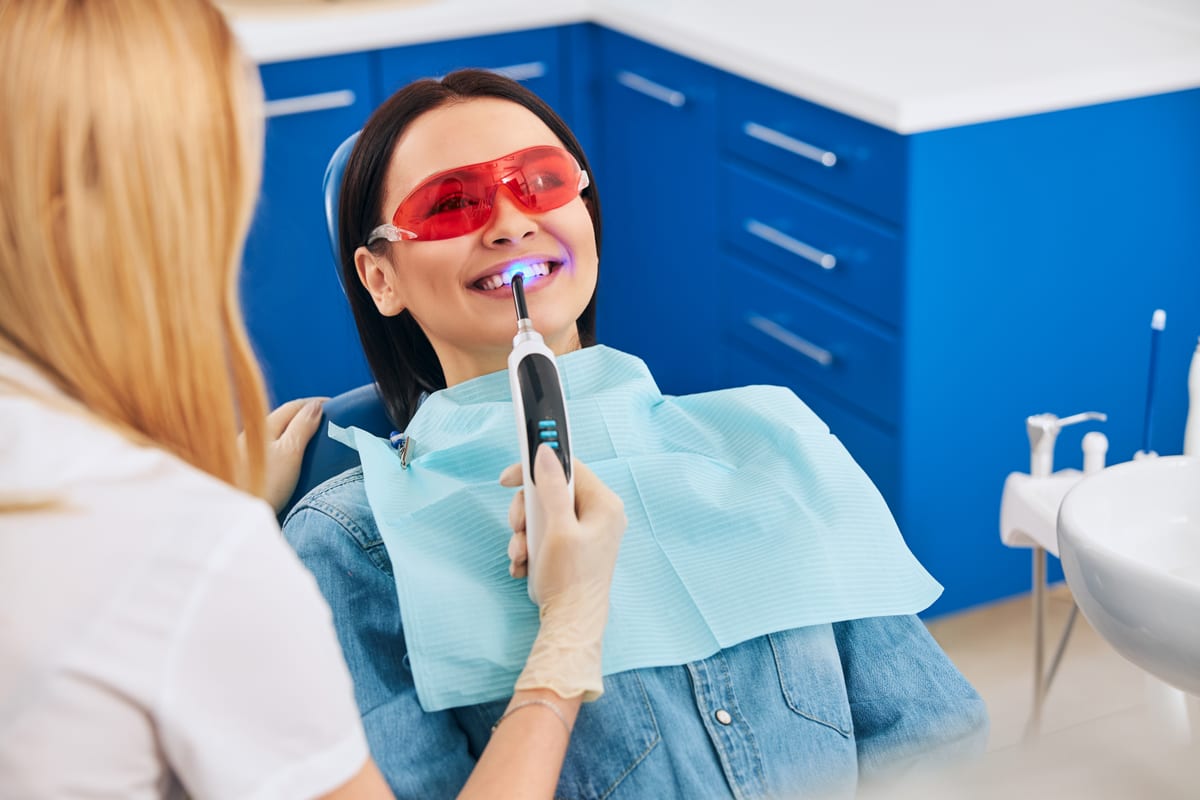
A curing light hardens the cement almost instantly. Dr. Paragas then checks your bite carefully to make sure everything aligns correctly. Any small excess cement is removed from around the edges. The final result is a smooth, natural-looking, and durable surface.

Here is a summary of what to expect at your bonding appointment:

  1. Dr. Paragas places veneers temporarily to check fit and shade
  2. Your teeth are cleaned and lightly etched for bonding
  3. Dental cement is applied and veneers are positioned precisely
  4. A curing light bonds each veneer securely in seconds
  5. Your bite is checked and final polish is completed

Caring for Your Veneers After Placement

Porcelain veneers are durable, but they do require proper care. Brush twice daily with a non-abrasive toothpaste. Floss every day to keep gum tissue healthy around each veneer. Regular checkups at Advanced Solutions Family Dental help maintain both your veneers and overall oral health.

Avoid habits that can chip or crack porcelain. Don’t bite your nails or chew on ice. Wear a night guard if you grind your teeth while sleeping. With the right care, your veneers can last ten to fifteen years or longer.

Veneers don’t stain the same way natural enamel does. However, it’s still wise to limit coffee, red wine, and tobacco use. Keeping the surrounding gum tissue healthy also protects the longevity of each veneer. Your investment in your smile is well worth protecting.

If you’re ready to explore what a transformed smile can look like for you, our team in Oak Forest is here to help. Book Now to schedule your appointment with our team.

Frequently Asked Questions

Does veneer placement hurt?

Most patients experience little to no discomfort during the procedure. Dr. Paragas uses local anesthesia during the enamel preparation stage. Some mild sensitivity is normal after preparation, but it typically fades once permanent veneers are bonded. Our team takes every step to keep you comfortable throughout the process.

How much enamel is actually removed during veneer placement?

Only a very thin layer of enamel is removed — usually between 0.3 and 0.5 millimeters. This is roughly the same thickness as the veneer itself. The removal ensures the final restoration looks natural and fits flush with surrounding teeth. It is a precise and minimally invasive step when performed by an experienced dentist like Dr. Paragas.

How long does the entire veneer process take from start to finish?

The full process typically takes two to three appointments spread over two to three weeks. The first appointment is your consultation and shade selection. The second appointment covers tooth preparation and temporary veneer placement. The final appointment is for bonding your permanent porcelain veneers.

Can I choose what shade my veneers will be?

Yes, absolutely. Shade selection is one of the most exciting parts of the veneer process. Dr. Paragas walks you through porcelain shade options that suit your skin tone and smile goals. The aim is always a natural, radiant result that complements your unique appearance.

How long do porcelain veneers last?

With proper care, porcelain veneers typically last ten to fifteen years or longer. Daily brushing, flossing, and regular dental checkups are essential for longevity. Avoiding habits like nail biting, chewing ice, and grinding teeth also extends the life of your veneers significantly. Dr. Paragas can recommend a night guard if teeth grinding is a concern for you.

Is Professional Teeth Whitening Safe for Your Enamel and Gums

Is professional teeth whitening safe for your enamel and gums in Oak Forest? Dr. Carly Paragas answers your questions. Book your consultation today.

Many Oak Forest patients ask the same question before their first whitening visit: is professional teeth whitening safe for your enamel and gums? It is a fair concern. You want a brighter smile, but not at the expense of your dental health. At Advanced Solutions Family Dental, Dr. Carly Paragas helps patients understand exactly what whitening does — and what it does not do — to their teeth.

The short answer is yes. Professional whitening is safe for most healthy adults when performed correctly. But there are important details every patient should know before starting treatment.

How Professional Teeth Whitening Works in Oak Forest

Professional whitening uses a peroxide-based gel applied directly to the teeth. The hydrogen peroxide or carbamide peroxide penetrates the enamel. It then breaks apart stain molecules trapped inside the tooth structure. This process brightens the tooth from within.

The key difference between professional and over-the-counter products is concentration. Professional treatments use higher-strength formulas. A dental professional monitors the process to protect your soft tissues. This supervision is what makes professional whitening both effective and safe.

In-office treatments typically take about one hour. Take-home trays from your dentist are custom-fitted to your teeth. Both approaches deliver controlled, consistent results. Over-the-counter strips cannot replicate this precision.

Is Professional Teeth Whitening Safe for Your Enamel and Gums Oak Forest Patients Should Know

One of the most common fears is that whitening will damage enamel permanently. Research shows this is not the case with professionally applied treatments. Studies confirm that peroxide-based whitening does not significantly alter enamel structure. Enamel hardness and mineral content remain stable after professional whitening.

However, temporary enamel sensitivity is possible. This happens because whitening opens tiny pores in the enamel surface. These pores allow peroxide to reach stain molecules. The pores typically close again within 24 to 48 hours after treatment.

Your enamel is not dissolving or thinning. The sensitivity you feel is a temporary response. Using a desensitizing toothpaste before and after treatment can reduce discomfort significantly. Dr. Paragas can recommend the right product for your needs.

What Whitening Does to Your Gums — and How We Protect Them

Gum irritation is another valid concern. High-concentration peroxide gel can irritate gum tissue if it contacts the gums directly. This is why professional application matters so much. Dr. Paragas and her team use protective barriers to isolate the gums during treatment.

At-home whitening trays from a dental office are custom-made for your mouth. They fit precisely so gel stays on the teeth. This reduces the chance of gel leaking onto sensitive gum tissue. Generic strips often do not fit this well.

Any mild gum sensitivity after whitening typically resolves within a day or two. If you have existing gum concerns, it is important to address those first. Patients dealing with gum disease may benefit from Periodontal Treatment Oak Forest before pursuing whitening. Healthy gums respond better to whitening and recover faster.

Who Should Avoid Professional Teeth Whitening

Professional whitening is not the right choice for every patient. Knowing when to wait — or choose an alternative — protects your long-term dental health. Dr. Paragas evaluates each patient individually before recommending any whitening treatment.

You may need to postpone whitening if any of the following apply:

  • You have active gum disease or untreated cavities
  • You have severely sensitive teeth or exposed root surfaces
  • You are pregnant or nursing
  • You have tooth-colored restorations like crowns or veneers on front teeth
  • You are under 16 years of age
  • You have an allergy to peroxide-based products

Whitening gel does not change the color of dental restorations. If you have crowns or veneers on visible front teeth, whitening may create a color mismatch. Your natural teeth will brighten, but the restorations will not. Dr. Paragas will flag this during your exam and discuss your options.

Patients with untreated cavities or damaged enamel should complete restorative care first. Peroxide can irritate nerves in compromised teeth. In some cases, tooth pain during whitening signals a deeper issue. Patients with severe tooth pain may need to explore Root Canals Oak Forest before any cosmetic treatment.

Tips for a Safe and Comfortable Whitening Experience

Preparation makes a significant difference in how comfortable your whitening experience will be. A few simple steps before and after treatment protect both your enamel and your gums. Dr. Paragas provides personalized guidance at every stage.

Follow these tips for the best results:

  • Schedule a dental exam and cleaning before whitening begins
  • Use a soft-bristled toothbrush and desensitizing toothpaste for two weeks before treatment
  • Avoid acidic foods and drinks for 24 hours before and after whitening
  • Do not eat or drink anything that stains teeth for 48 hours after treatment
  • Follow all instructions provided with your custom take-home tray kit
  • Report any unusual or prolonged sensitivity to Dr. Paragas right away

Maintaining your results is also part of the safety equation. Touch-up treatments every six to twelve months keep your smile bright. Overusing whitening products too frequently can increase sensitivity over time. Stick to the schedule your dentist recommends.

Why Professional Oversight Matters in Oak Forest

Teeth whitening is not a one-size-fits-all treatment. Every patient has unique enamel thickness, gum health, and sensitivity levels. A trained dental professional can identify risk factors before they become problems. That is something no whitening kit sold at a drugstore can offer.

Dr. Carly Paragas and the team at Advanced Solutions Family Dental take a thorough approach. Your oral health is evaluated before any cosmetic treatment begins. If whitening is not appropriate for you right now, you will learn why. You will also learn what steps can get you there safely.

Oak Forest patients deserve bright smiles and healthy teeth at the same time. Professional whitening, done correctly, achieves both goals. Do not let unanswered safety questions hold you back from a treatment that could genuinely improve your confidence.

Ready to find out if professional teeth whitening is right for you? Book Now to schedule your appointment with our team.

Frequently Asked Questions

Does professional teeth whitening damage enamel permanently?

No. Clinical research consistently shows that professional whitening does not permanently damage enamel. You may notice temporary sensitivity, but enamel structure and hardness remain stable. Always choose professional treatment over unregulated DIY products for the safest outcome.

How long does tooth sensitivity last after whitening?

Sensitivity after professional whitening usually lasts 24 to 48 hours. Using a desensitizing toothpaste before and after treatment helps reduce discomfort. If sensitivity lasts longer than a few days, contact Dr. Paragas at Advanced Solutions Family Dental for guidance.

Can I whiten my teeth if I have gum disease?

It is not recommended. Active gum disease means your gum tissue is inflamed and vulnerable. Whitening gel can irritate already-compromised gums and worsen discomfort. Treat gum disease first, then revisit whitening once your gums are healthy.

Will whitening work on crowns, veneers, or fillings?

No. Whitening gel only works on natural tooth enamel. It does not change the color of dental restorations like crowns, veneers, or composite fillings. Dr. Paragas will evaluate your existing restorations before recommending whitening to avoid color mismatches.

How often is it safe to whiten your teeth professionally?

Most dentists recommend professional whitening no more than once or twice per year. Touch-up treatments can be done more sparingly as needed. Overusing whitening products increases the risk of enamel sensitivity and gum irritation. Follow the schedule Dr. Paragas recommends for your specific situation.

Your First 30 Minutes Matter: Emergency Guide to a Knocked-Out Tooth

A knocked-out tooth in Oak Forest? Act fast — the first 30 minutes are critical. Dr. Carly Paragas shares step-by-step emergency guidance. Book Now!

A knocked-out tooth is one of the most alarming dental emergencies you can face. Your first 30 minutes matter — and knowing what to do right away can mean the difference between saving and losing your tooth permanently. This emergency guide to a knocked-out tooth in Oak Forest gives you a clear, step-by-step plan. Dr. Carly Paragas and the team at Advanced Solutions Family Dental are here to help you act quickly and confidently.

Why the First 30 Minutes Are Critical After a Tooth Is Knocked Out

When a tooth is knocked out, the clock starts immediately. The tooth’s root contains delicate cells called periodontal ligament fibers. These cells survive for only about 30 to 60 minutes outside the mouth. After that window closes, successful reimplantation becomes much less likely.

Every minute you wait reduces your chances of saving the tooth. That is why acting in the first 30 minutes is so important. Do not panic — but do move fast and follow the right steps in the right order.

Knowing the proper protocol also prevents common mistakes. Many people damage the tooth further by scrubbing it or storing it incorrectly. A little knowledge goes a very long way in this situation.

Step-by-Step: What to Do in Oak Forest During a Dental Emergency

Here is exactly what you should do the moment a tooth is knocked out. Follow these steps in order — and start immediately.

  1. Pick up the tooth by the crown. Never touch the root. Oils and bacteria from your fingers can damage the ligament cells instantly.
  2. Rinse gently with clean water. Use plain water only — no soap, no chemicals, no scrubbing. Hold it under a gentle stream for a few seconds.
  3. Try to reinsert it. If you can, place the tooth back into its socket right away. Bite down gently on a clean cloth to hold it in place.
  4. Store it properly if reinsertion is not possible. Place the tooth in a small cup of whole milk, saline solution, or your own saliva. Do not use tap water — it damages root cells quickly.
  5. Call Advanced Solutions Family Dental immediately. Let the team know you have a knocked-out tooth. This is a true dental emergency that requires urgent care.
  6. Get to the office as fast as possible. Time is your most valuable resource right now.

Do not wait to see if the pain subsides. Do not assume the tooth is too damaged to save. Always bring the tooth with you, even if you are unsure.

Common Mistakes That Can Cost You Your Tooth

Even well-meaning actions can cause serious harm in the first few minutes. Knowing what not to do is just as important as knowing what to do.

  • Do not scrub the tooth. Scrubbing removes the vital ligament cells on the root surface.
  • Do not store the tooth in tap water. Tap water causes rapid cell death due to osmotic shock.
  • Do not wrap the tooth in a dry cloth or tissue. A dry environment kills root cells within minutes.
  • Do not handle the tooth by the root. Always hold it by the visible crown portion only.
  • Do not try to force the tooth back in if the socket is bleeding heavily. Apply gentle pressure nearby and call for emergency care immediately.
  • Do not assume a child’s baby tooth should be reimplanted. Baby teeth are typically not reimplanted — but call us right away so we can advise you properly.

These mistakes are extremely common. People act on instinct during emergencies, and instinct is not always correct. Memorize these rules now — before an emergency happens to you or your family.

What Happens at the Dentist After a Knocked-Out Tooth

When you arrive at Advanced Solutions Family Dental, Dr. Paragas will assess the tooth and the socket right away. She will take X-rays to evaluate the surrounding bone and tissue. Then she will determine the best course of action based on how long the tooth was outside the mouth and its condition.

If the tooth is viable, Dr. Paragas will carefully reimplant it into the socket. She will then stabilize it with a splint — a temporary attachment to adjacent teeth. This holds the tooth in place while the surrounding tissue heals. You will typically need a follow-up appointment within one to two weeks.

Root canal treatment is often necessary after reimplantation. This is because the tooth’s nerve tissue does not survive the trauma. A Root Canals Oak Forest procedure removes the damaged nerve and seals the tooth to prevent infection. It sounds intimidating, but it is a routine and highly effective treatment.

If the tooth cannot be saved, Dr. Paragas will discuss replacement options with you. Dental implants, bridges, and other restorative solutions are all available at our Oak Forest office.

Protecting Your Long-Term Oral Health After Trauma

A knocked-out tooth can affect more than just that one tooth. The surrounding gum tissue and bone may also suffer trauma. Monitoring your gum health after any dental injury is essential. If you notice swelling, bleeding, or sensitivity around the area, contact our office promptly.

Long-term gum health plays a major role in how well your tooth heals — and in whether implants or other restorations are successful. Periodontal Treatment Oak Forest can help address any gum damage that results from dental trauma. Healthy gums support healthy teeth and long-term recovery.

Dr. Paragas also recommends wearing a custom mouthguard if you or your child participates in contact sports. A mouthguard is the single most effective tool for preventing knocked-out teeth. It is a small investment that protects a lifetime of healthy smiles.

Conclusion: Fast Action Saves Smiles in Oak Forest

A knocked-out tooth is terrifying — but it is survivable with the right response. Your first 30 minutes matter more than anything else. Pick up the tooth correctly, store it properly, and get to Advanced Solutions Family Dental as fast as you can. Dr. Carly Paragas and our compassionate Oak Forest team are ready to help you through every step. Book Now to schedule your appointment with our team.

Frequently Asked Questions

Can a knocked-out tooth really be saved?

Yes — if you act within the first 30 to 60 minutes, there is a strong chance the tooth can be successfully reimplanted. The key is handling it correctly and reaching a dentist as quickly as possible. Time and proper storage are the two most important factors.

What is the best way to store a knocked-out tooth?

The best options are whole milk, saline solution, or your own saliva. These environments help keep the root cells alive until you reach the dentist. Never store a knocked-out tooth in tap water or wrap it in a dry cloth or tissue.

Does reimplanting a tooth hurt?

Dr. Paragas will use local anesthetic to keep you comfortable during the reimplantation procedure. You may experience some soreness afterward, but it is manageable with over-the-counter pain relief. Most patients are surprised by how straightforward the process is.

What if the knocked-out tooth belongs to a child?

If the tooth is a baby tooth, reimplantation is generally not recommended — it can damage the developing adult tooth beneath it. However, you should still contact Advanced Solutions Family Dental right away. Dr. Paragas will advise you on the best path forward for your child’s smile.

How can I prevent a knocked-out tooth in the future?

Wearing a custom-fitted mouthguard during contact sports is the most effective prevention method. Avoiding habits like chewing on ice or hard objects also helps protect your teeth. Ask Dr. Paragas about a custom mouthguard at your next visit.