
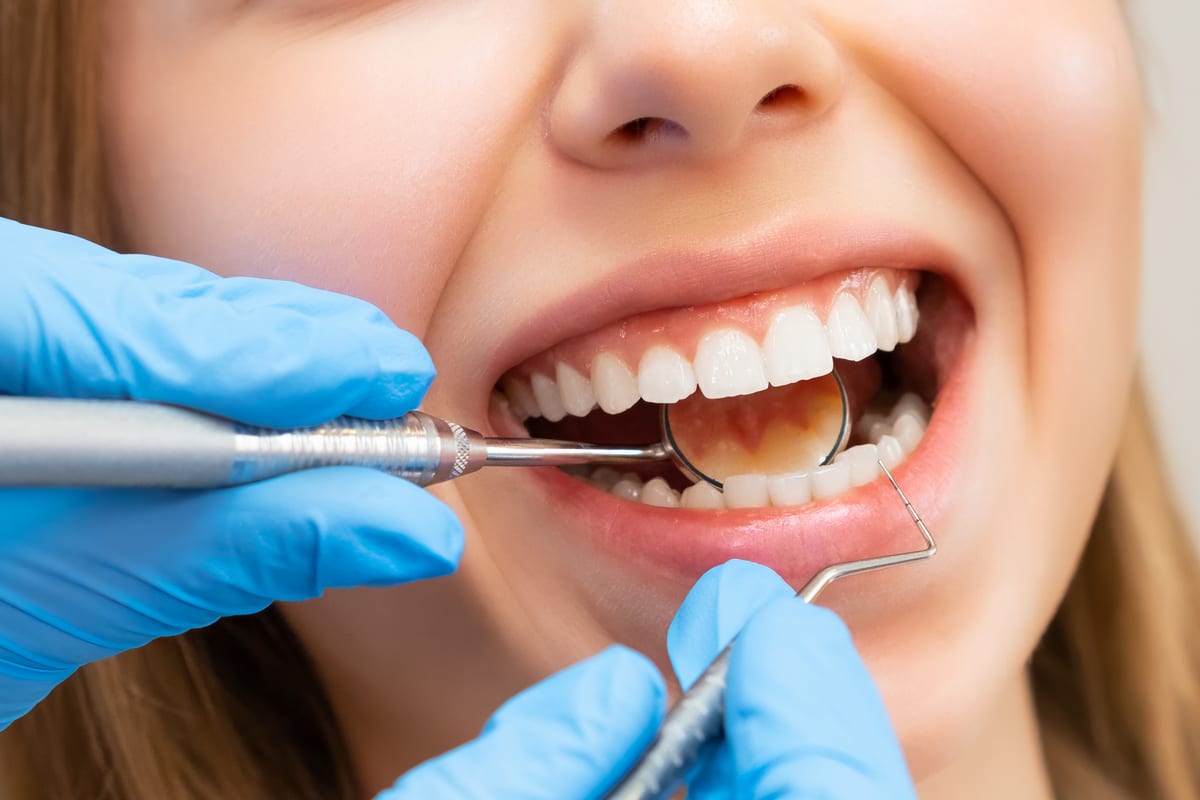
Many Oak Forest patients ask the same important question: is your gum disease treatable, and what does our evaluation reveal? The answer depends on several personal factors. At Advanced Solutions Family Dental, Dr. Carly Paragas takes a thorough, individualized approach to every periodontal evaluation. Understanding your candidacy is the first and most important step toward healthier gums.
Gum disease affects millions of Americans at various stages. Some cases are mild and respond quickly to professional care. Others require more advanced treatment plans. Either way, knowing where you stand gives you the power to take action.
What Is Gum Disease and Who Is at Risk in Oak Forest?
Gum disease — also called periodontal disease — is a bacterial infection of the tissues surrounding your teeth. It begins as gingivitis, the earliest and most reversible stage. If left untreated, it can progress to periodontitis, which damages bone and tissue more severely.
Certain factors increase your risk of developing gum disease. These include:
- Inconsistent or insufficient brushing and flossing habits
- Smoking or tobacco use of any kind
- Diabetes or other systemic health conditions
- Genetic predisposition to gum problems
- Hormonal changes during pregnancy or menopause
- Dry mouth caused by medications or health issues
Knowing your risk level helps Dr. Paragas design a treatment plan that truly fits your situation. Oak Forest patients often discover that several of these factors apply to them at once. That combination makes professional evaluation even more essential.
What Our Periodontal Evaluation Involves at Our Oak Forest Office
The evaluation process at Advanced Solutions Family Dental is comprehensive and comfortable. Dr. Paragas examines your gums, teeth, and supporting bone structure carefully. Every detail of that examination informs your personalized treatment path.
Here is what you can expect during your periodontal evaluation:
- Periodontal probing: A small instrument measures pocket depth around each tooth. Deeper pockets indicate more advanced disease.
- Digital X-rays: These reveal bone loss that is not visible to the naked eye. Bone loss is a key indicator of periodontitis severity.
- Gum tissue assessment: Dr. Paragas checks for bleeding, swelling, recession, and redness. These signs help determine the current stage of your condition.
- Medical history review: Systemic conditions and medications can affect gum health significantly. This review ensures your treatment plan accounts for your full health picture.
- Patient goals discussion: Your comfort, timeline, and priorities matter. Dr. Paragas listens carefully before recommending any next steps.
This evaluation typically takes less than an hour. You leave with a clear understanding of your gum health status. Most importantly, you have a concrete plan moving forward.
Who Is a Good Candidate for Gum Disease Treatment?
The good news is that most people with gum disease are candidates for some form of effective treatment. The right approach simply depends on the stage and severity of your condition. Dr. Paragas tailors every recommendation to match your unique clinical picture.
Patients with early-stage gingivitis often respond very well to professional cleaning and improved home care. Swollen, bleeding gums at this stage can reverse course with consistent treatment. Many Oak Forest patients see dramatic improvement within just a few weeks.
Those with moderate to advanced periodontitis may need deeper, more targeted care. Scaling and root planing — sometimes called a deep cleaning — removes bacteria from below the gumline. This non-surgical procedure is highly effective for many patients in this category.
Factors that make you a strong candidate for successful treatment include:
- Willingness to maintain regular follow-up visits
- Commitment to improved brushing and flossing habits at home
- Controlled or well-managed systemic health conditions
- Non-smoker status or readiness to reduce tobacco use
- Early to moderate disease stage at the time of evaluation
Even patients with more advanced disease often have viable treatment options. Dr. Paragas discusses every available path with you honestly. No patient is turned away without a clear picture of what is possible.
What Factors Determine the Best Treatment Approach for You?
Your evaluation results guide every treatment decision at Advanced Solutions Family Dental. No two mouths are exactly alike. That is why Dr. Paragas never uses a one-size-fits-all approach to periodontal care in Oak Forest.
Pocket depth measurements are one of the strongest indicators of disease severity. Shallow pockets of one to three millimeters are generally healthy. Pockets deeper than four millimeters signal active disease that requires professional intervention.
Bone loss visible on X-rays also shapes the treatment path significantly. Moderate bone loss may respond well to non-surgical deep cleaning. Severe bone loss may require referral to a specialist or more advanced procedures.
Your overall health plays a major role as well. Patients managing diabetes, for example, may need a more aggressive maintenance schedule. Dr. Paragas coordinates your dental care with your broader health needs whenever necessary.
Finally, your personal commitment to home care affects long-term outcomes enormously. Treatment works best when paired with consistent daily hygiene habits. Dr. Paragas and her team provide clear, practical guidance that is easy to follow at home.
How Advanced Solutions Family Dental Supports Your Gum Health Long-Term
Treating gum disease is not a one-time event — it is an ongoing partnership. Advanced Solutions Family Dental offers continued periodontal maintenance visits to keep your gums healthy after active treatment. These visits typically occur every three to four months for patients with a history of gum disease.
Dr. Paragas also connects periodontal health to overall wellness. Research links gum disease to heart disease, diabetes complications, and other systemic conditions. Treating your gums protects far more than just your smile.
Oak Forest patients benefit from a full range of supportive services under one roof. Whether you need periodontal care, dental crowns, or cosmetic enhancements after gum treatment, our team has you covered. Continuity of care means better outcomes and a more comfortable experience overall.
If you have been wondering whether your gum disease is treatable, the answer starts with a single evaluation. Dr. Paragas will give you honest, clear answers based on what she actually finds. Book Now to schedule your appointment with our team.
Frequently Asked Questions
Is gum disease always reversible?
Early-stage gum disease, called gingivitis, is fully reversible with professional cleaning and improved home care. Advanced periodontitis causes permanent bone and tissue damage that cannot be fully reversed. However, progression can be stopped and managed effectively with the right treatment plan from Dr. Paragas.
How do I know if I have gum disease?
Common signs include bleeding gums when brushing, persistent bad breath, swollen or tender gum tissue, and teeth that feel loose. Some patients have no noticeable symptoms at all. A professional periodontal evaluation at Advanced Solutions Family Dental is the only reliable way to know for certain.
Does gum disease treatment hurt?
Most patients find periodontal treatment very manageable. Dr. Paragas uses local anesthesia during deeper cleaning procedures to ensure your comfort. Mild sensitivity after treatment is normal and typically resolves within a few days.
How long does gum disease treatment take?
Treatment duration depends on the severity of your condition. Mild gingivitis may improve after one or two professional cleanings. Moderate to advanced periodontitis may require multiple scaling and root planing sessions followed by a long-term maintenance schedule every three to four months.
Can gum disease affect my overall health?
Yes — research links untreated gum disease to increased risk of heart disease, stroke, diabetes complications, and respiratory issues. Treating your periodontal health is an important part of protecting your overall wellbeing. Dr. Paragas considers your full medical history when developing your personalized treatment approach.