Debunking Common Myths About Dental Crowns

Debunking Common Myths About Dental Crowns

Dental crowns are standard these days, but with that popularity comes many myths and half-truths. Patients hear all kinds of stories about crowns – some true, some not so much and it’s easy to get confused or worried about what the reality is. If you’re trying to determine whether a crown is right for you, being aware of these myths makes things a whole lot simpler.

Myth 1: Dental Crowns Are Just for Serious Tooth Damage

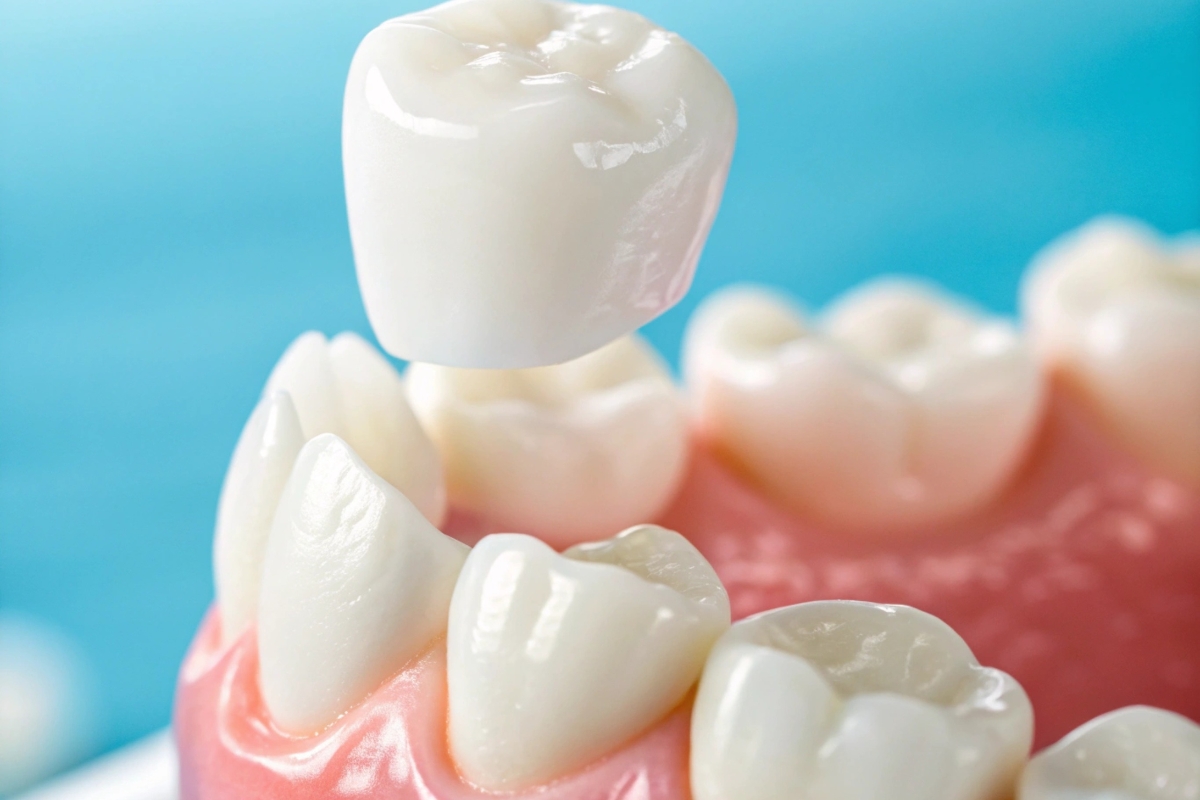
A lot of people think crowns are only for those with severe tooth decay or teeth that are about to fall apart. That’s far from the truth. While dentists often use crowns to fix cracked, worn-down, or badly decayed teeth, patients can also get a crown after a root canal or to finish a cosmetic procedure like a veneer. Dentists also use crowns to top off dental implants. So, crowns aren’t just a last resort—they’re used for restoration to cosmetic procedures.  

Myth 2: Getting a Crown Hurts

This one keeps a lot of people away from the dentist’s chair. But the truth is, getting a crown is usually fuss-free. Your dentist numbs the area before doing anything, so you shouldn’t feel pain while they’re working. After the crown goes on, your gums might feel a little sensitive, but that feeling doesn’t last long. Most patients find getting a crown much less uncomfortable than they expected, especially compared to something like a root canal.

Myth 3: Crowns Look Fake

Maybe crowns used to look a little obvious in the past, but not anymore. Today’s crowns use advanced materials like porcelain or ceramic that look like real teeth. Dentists match the color, shape, and size to blend right in with your smile. Whether you’re getting a crown for a front tooth or a molar in the back, it looks so natural that nobody will even notice.

Myth 4: Crowns Need Special Care

Some patients think you have to be too careful with a dental crown or follow a bunch of new oral care rules. It’s untrue. If you’re already brushing and flossing the way you should, you’re already doing everything right. Just avoid chewing on hard things like ice or pens, and don’t grind your teeth. With basic home oral care and regular checkups, a dental crown can last for years. 

Myth 5: Crowns Feel Weird or Uncomfortable

It’s normal to feel a bit of sensitivity right after you get a crown. Your mouth just needs a little time to adjust. Most people get used to their new crown quickly, and after a while, it feels just like a regular tooth. If you notice something’s wrong with your bite, or you’re still uncomfortable, your dentist can make quick adjustments so everything fits right.

Dental crowns are made to restore your teeth and your confidence—customized for your needs, whether you’re repairing damage or just want a better-looking smile. Your dentist will walk you through every step, so you’ll know what to expect.

Don’t let old myths keep you from getting the care you need. Talk to our dentist at Advanced Solutions Family Dental and see how a crown could help you.

FAQs

  1. How long do dental crowns last?
    Dental crowns can last between 10 and 15 years with proper care. Regular checkups and good oral hygiene help ensure they last as long as possible. 
  2. Does insurance cover dental crowns?
    Coverage for dental crowns varies by insurance plan. It’s best to check with your insurance provider for details about coverage. 
  3. Do dental crowns look natural?
    Yes, dental crowns are designed to match the color and shape of your natural teeth, making them virtually indistinguishable from the rest of your smile. 
  4. Is the dental crown procedure painful?
    No, the procedure is generally painless. Local anesthesia is used to ensure you are comfortable during the procedure and experience minimal discomfort afterward.
 

How Do Dental Crowns And Bridges Work Together?

Are you looking for a way to restore your natural smile? Dental crowns and bridges are two popular dental prosthetics that work together to help rebuild your teeth and jaw. These treatments are often used as an alternative when traditional fillings and implants are not suitable, or if the patient wants a more durable solution.

Read on to find out more about dental crowns and bridges, and how they work together with your dentist in Oak Forest to help you restore your natural smile.

What Are Dental Crowns & Bridges?

Dental crowns are a type of dental prosthetic used to cap or cover a damaged tooth. They can also be used to repair a broken or misshapen tooth, as well as to restore your smile’s natural appearance. Dental bridges are similar in that they provide support for missing teeth by filling any gaps and restoring the bite.

What Are Dental Crowns?

Dental crowns, also known as dental caps, are custom-made prosthetic teeth that fit over your existing tooth or implant. They provide a strong and durable covering to protect the tooth from further damage, as well as mask any imperfections.

What Are Dental Bridges?

Dental bridges are an effective way to replace missing teeth. They consist of a false tooth, usually made from ceramic or porcelain, and two crowns – one on either side. The false tooth is then secured in place by the crowns, providing support and restoring the gap left by the missing tooth.

What Is the Process for Getting Dental Crowns and Bridges?

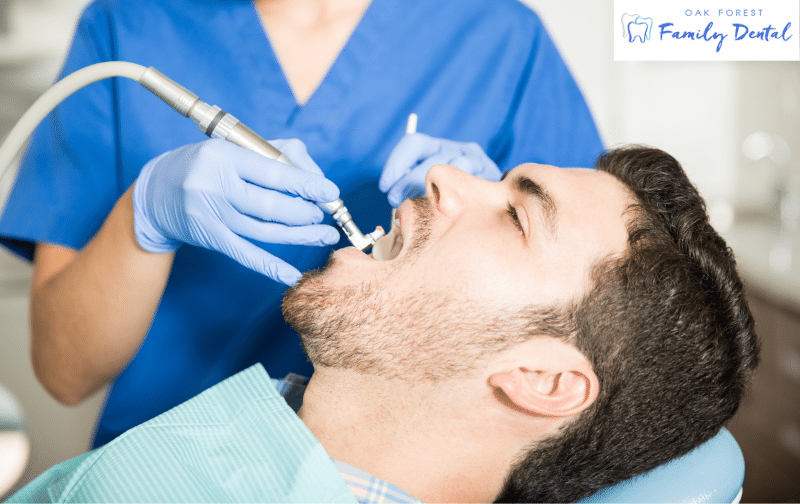
The exact process for getting dental crowns and bridges will depend on your particular case. However, it usually involves a few trips to the dentist in Oak Forest. First, they will take an impression of your mouth to make sure the dental prosthetic is made to fit perfectly. Then, they will prepare and shape the teeth that are being covered by the crowns or bridges. Finally, they will place the prosthetic in your mouth and make any necessary adjustments.

Benefits of Dental Crowns & Bridges

Dental crowns and bridges can help to restore your smile’s natural appearance and provide a durable solution for badly damaged teeth. They also offer a number of other advantages, including:

1. Improved Bite & Functionality

They can help improve your bite by restoring the natural alignment of your teeth. This reduces any risk of further damage and allows for improved functionality when speaking or eating.

2. Durable & Long-Lasting

They are designed to be durable and long-lasting. With proper care, they can last for several years, giving you the ability to smile confidently without worrying about further damage or decay.

3. Cost-Effective Treatment

They are often more cost-effective than traditional fillings and implants, saving you money in the long run.

Conclusion

Dental crowns and bridges are a great way to restore your natural smile. They are highly durable, cost-effective, and can help improve the functionality of your teeth. If you’re looking for a way to rebuild or cover damaged teeth, then speaking to your dentist in Oak Forest about dental crowns and bridges is a great option.

FAQs:

1. How long do dental crowns and bridges last?

With proper care, dental crowns and bridges can last for several years. However, regular checkups with your dentist will help ensure that the prosthetics remain in good condition.

2. What is the best material for dental crowns and bridges?

The best material for dental crowns and bridges will depend on your individual needs. Porcelain is usually considered to be the most natural-looking and durable option, but other materials such as metal or composite can also be used.

3. Are dental crowns and bridges covered by insurance?

It depends on your individual insurance plan. In some cases, dental crowns and bridges may be covered in part or in full depending on the type of coverage you have. Speak to your provider for more information.