Dental crowns are standard these days, but with that popularity comes many myths and half-truths. Patients hear all kinds of stories about crowns – some true, some not so much and it’s easy to get confused or worried about what the reality is. If you’re trying to determine whether a crown is right for you, being aware of these myths makes things a whole lot simpler.
Myth 1: Dental Crowns Are Just for Serious Tooth Damage
A lot of people think crowns are only for those with severe tooth decay or teeth that are about to fall apart. That’s far from the truth. While dentists often use crowns to fix cracked, worn-down, or badly decayed teeth, patients can also get a crown after a root canal or to finish a cosmetic procedure like a veneer. Dentists also use crowns to top off dental implants. So, crowns aren’t just a last resort—they’re used for restoration to cosmetic procedures.
Myth 2: Getting a Crown Hurts
This one keeps a lot of people away from the dentist’s chair. But the truth is, getting a crown is usually fuss-free. Your dentist numbs the area before doing anything, so you shouldn’t feel pain while they’re working. After the crown goes on, your gums might feel a little sensitive, but that feeling doesn’t last long. Most patients find getting a crown much less uncomfortable than they expected, especially compared to something like a root canal.
Myth 3: Crowns Look Fake
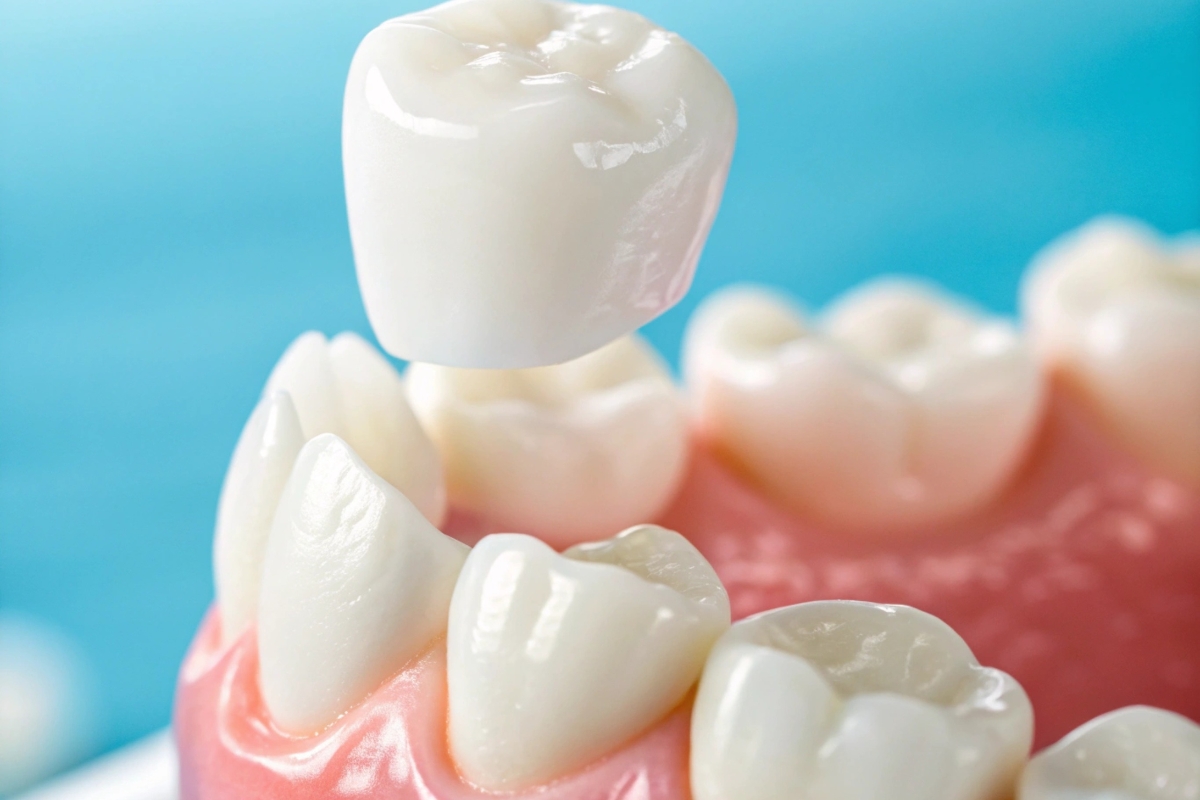
Maybe crowns used to look a little obvious in the past, but not anymore. Today’s crowns use advanced materials like porcelain or ceramic that look like real teeth. Dentists match the color, shape, and size to blend right in with your smile. Whether you’re getting a crown for a front tooth or a molar in the back, it looks so natural that nobody will even notice.
Myth 4: Crowns Need Special Care
Some patients think you have to be too careful with a dental crown or follow a bunch of new oral care rules. It’s untrue. If you’re already brushing and flossing the way you should, you’re already doing everything right. Just avoid chewing on hard things like ice or pens, and don’t grind your teeth. With basic home oral care and regular checkups, a dental crown can last for years.
Myth 5: Crowns Feel Weird or Uncomfortable
It’s normal to feel a bit of sensitivity right after you get a crown. Your mouth just needs a little time to adjust. Most people get used to their new crown quickly, and after a while, it feels just like a regular tooth. If you notice something’s wrong with your bite, or you’re still uncomfortable, your dentist can make quick adjustments so everything fits right.
Dental crowns are made to restore your teeth and your confidence—customized for your needs, whether you’re repairing damage or just want a better-looking smile. Your dentist will walk you through every step, so you’ll know what to expect.
Don’t let old myths keep you from getting the care you need. Talk to our dentist at Advanced Solutions Family Dental and see how a crown could help you.
FAQs
- How long do dental crowns last?
Dental crowns can last between 10 and 15 years with proper care. Regular checkups and good oral hygiene help ensure they last as long as possible. - Does insurance cover dental crowns?
Coverage for dental crowns varies by insurance plan. It’s best to check with your insurance provider for details about coverage. - Do dental crowns look natural?
Yes, dental crowns are designed to match the color and shape of your natural teeth, making them virtually indistinguishable from the rest of your smile. - Is the dental crown procedure painful?
No, the procedure is generally painless. Local anesthesia is used to ensure you are comfortable during the procedure and experience minimal discomfort afterward.