How Does Root Canal Treatment Improve Your Long-Term Oral Health?

How Does Root Canal Treatment Improve Your Long-Term Oral Health?

Keeping your smile healthy isn’t just about brushing and flossing. Sometimes, it’s the stuff we don’t think about, like root canals, that makes the biggest difference. You’ve probably heard scary things about root canal treatment, but honestly, it’s a game-changer when it comes to saving your teeth and protecting your oral health for the long haul.

Let’s break it down. We’ll look at what root canal treatment actually is, why you might need one, and how it helps you hang onto your natural teeth. If you’re in pain or just not sure if this procedure is for you, stick around—this guide clears things up.

What is Root Canal Treatment?

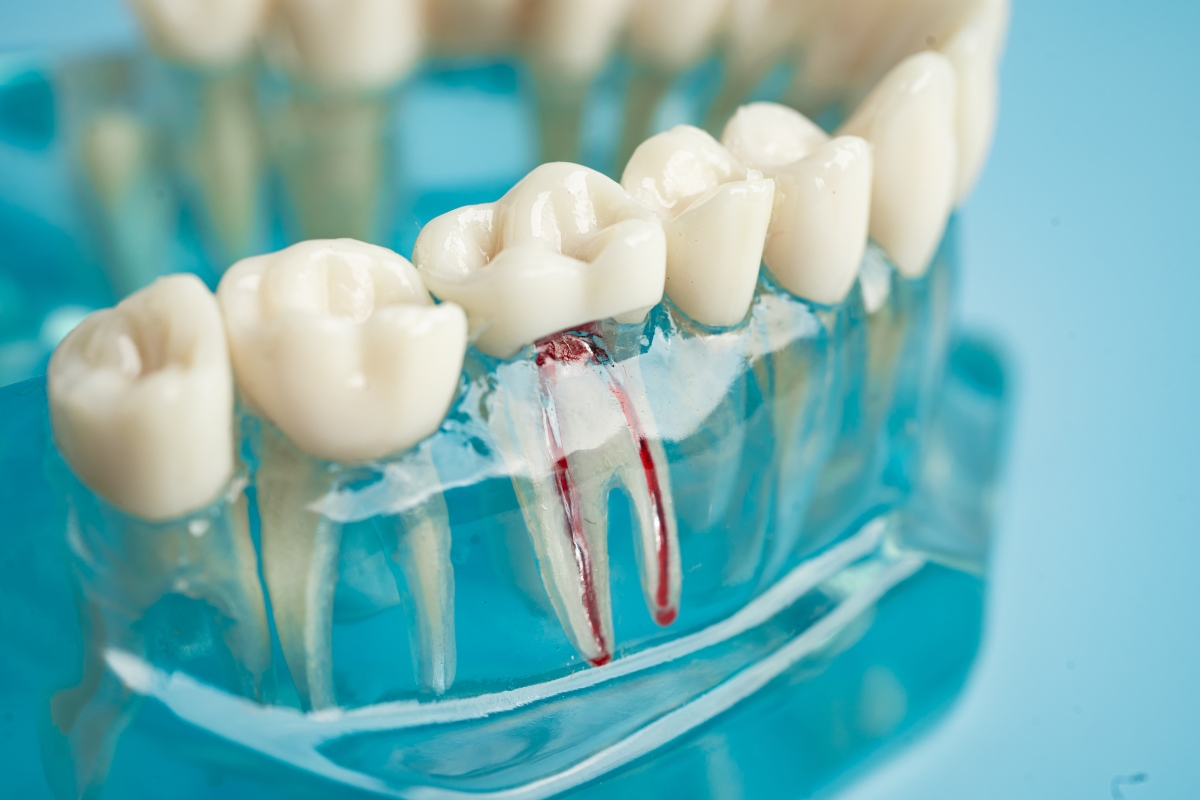
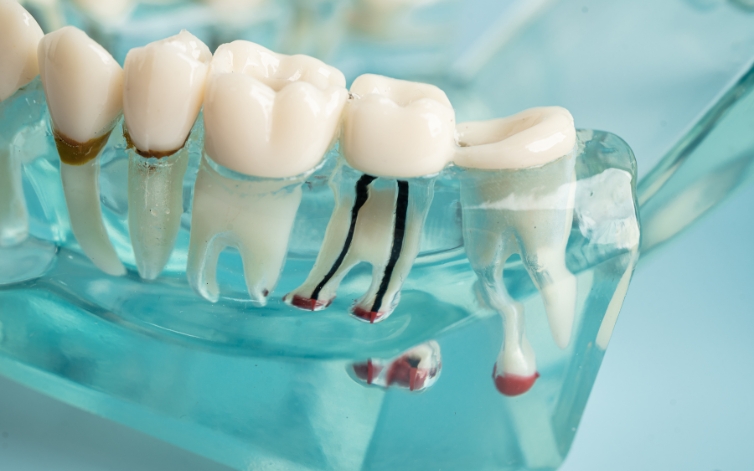
Root canal treatment (dentists call it endodontic therapy) is all about saving a tooth that’s infected or damaged. Usually, the problem starts when the pulp—the soft tissue inside the tooth—gets infected. You’ll feel pain, maybe some swelling. If you leave it alone, the infection can spread, making things a lot worse.

Here’s what happens during the treatment: Your dentist cleans out the infected tissue, disinfects the inside, and seals the tooth to keep new bacteria out. Most of the time, they’ll top it off with a crown to make sure it looks and works like your other teeth.

Why Would You Need a Root Canal?

You need a root canal when the pulp inside your tooth gets infected or inflamed. This can happen in a few ways:

  • Deep cavities that reach the pulp and let bacteria in.
  • Cracks or chips that open the door for infection.
  • Lots of dental work on the same tooth over time.
  • Severe gum disease that spreads to the roots.

Pain is usually the first sign—sharp, throbbing, or just constant. If you feel something like that, don’t wait. The longer you leave an infected tooth, the more damage it does. Ignoring it can mean losing the tooth for good.

How Does Root Canal Treatment Help Your Oral Health?

It Saves Your Tooth

Root canals let you keep your natural tooth instead of losing it. By treating the infection early, you save the tooth’s shape and function. You keep your full smile, which is always the goal.

It Stops Infection From Spreading

When you leave an infection untreated, it can spread to other teeth, into your jaw, and beyond. Root canals stop the problem at its source, helping you avoid nasty complications like abscesses, bone loss, or, in rare cases, a serious infection throughout your body.

It Lasts for the Long Haul

A tooth that’s had a root canal can stick around for years, sometimes for life. Keeping your tooth means you don’t have to mess with more complicated fixes like implants or bridges, which are bigger deals and need extra care.

Keeps Your Bite Natural

When you keep your own tooth, everything feels normal—chewing, biting, even talking. Replacing a lost tooth can mess with your bite and make things tricky. Root canals help you avoid that.

Root Canal in Oak Forest: Why It Matters

If you’ve got tooth pain that won’t quit, a root canal might be just what you need. It eases the pain and saves your natural tooth, which is a big win for your long-term health. At Advanced Solutions Family Dental, you’ll get care tailored to you, so you can keep smiling without worry for years ahead.

Take Care of Your Tooth After a Root Canal

Once your root canal’s done, follow your dentist’s advice to help things heal and make sure your tooth lasts:

  • Try not to chew with that tooth for a few days.
  • If you’re sore, grab some over-the-counter pain meds.
  • Keep brushing and flossing—just go easy around the treated area.
  • Show up for your follow-up visits to make sure everything’s healing right.

Root canal treatment isn’t just about stopping pain. It’s a smart way to protect your oral health and keep your real teeth where they belong. By acting early, you reduce the risk of bigger problems and keep your natural smile.

If your tooth hurts, don’t just hope it goes away. Reach out to us at AS Family Dental to learn how a root canal can help you feel better and protect your smile.

FAQs

  1. How do I know if I need a root canal?
    Common signs include persistent tooth pain, sensitivity to hot or cold, and swelling in the gums. If you notice these symptoms, it’s best to see your dentist right away.
  2. Is a root canal procedure painful?
    Root canal treatment is not more painful than having a filling. With modern anesthesia and techniques, most patients experience little discomfort during the procedure.
  3. How long does a root canal treatment take?
    Typically, the procedure takes about 1-2 hours, depending on the tooth’s complexity. Your dentist will give you a more accurate estimate based on your situation.

4. Can I go back to work after a root canal?
Most patients feel well enough to return to work the same day, though it’s best to take it easy for the rest of the day to allow the anesthesia to wear off.

Caring for Your New Dental Implants: A Lifelong Maintenance Guide

Dental implants restore smiles, yet long-term success comes with regular, gentle habits of care. These replacements are natural-looking and natural-feeling, yet distinct needs make diligent care not a choice for patients. Implants become integral to bone, yet inadequate oral care or gum disease can threaten their stability. Forgetting proper care can lead to peri-implantitis, bone loss, and costly repairs in the future.

This guide focuses on major daily routines, professional check-ups, and lifestyle routines for a lifetime of healthy implants.

What Makes Dental Implant Care Unique?

Unlike natural teeth, the success of dental implants depends not only on the health of the soft tissue or surrounding gum-related structures but also on a sound base and support via jaw bone. The implants can’t decay, but the bone and gums around them can remain vulnerable to bacteria. Appropriate maintenance prevents peri-implant disease, which can compromise the stability and survival of implants in the long term.

Data shows that dental implants in Oak Forest are successful over 90% when incorporating hygiene and professional maintenance. Patients who care for implants in a manner both similar to and as good as they care for their natural teeth can expect 20-30 years of sound smiles.

Daily Oral Hygiene for Dental Implants

With good care, implants start with twice-daily brushing with a soft-bristled brush. Implant safe toothpaste cleanses thoroughly without scratching or abrading the surface of the implant. Flossing is important because there are spaces between the implants and gums where food can get stuck. Use implant-specific floss or interdental brushes to snugly and gently clean areas where regular floss can’t reach.

Plaque can also form around implants and cause inflammation, so interdental cleaning continues to be required. Use an antimicrobial mouth rinse each day to keep bacteria under control and help protect your gum tissue.

This additional step minimizes the risks of peri-implantitis, which is a potentially destructive disease affecting long-term implant success. Good oral hygiene guarantees that implants stay steady and work without complication for plenty of years to come.

Food and Lifestyle Practices That Protect Implants

Consume soft fruits, lean proteins, and vegetables to support implants and gum health. Avoid chewing hard candy, ice, or sticky foods that stress dental implants. Hydrate on a regular basis to flush food particles and maintain hydration levels in balance.

Proper nutrition is responsible for bone health, and it maintains the stabilizing structure around dental implants. Avoid smoking and drinking less alcohol because these two decrease implant success rates significantly.

Professional Care and Periodic Checkups

Regular care of the teeth every six months is responsible for maintaining healthy dental implants. Dentists systematically clean around the implants with their routine visits and remove plaque and tartar. These deposits, if not attended to, can lead to inflammation of the gums and eventually cause peri-implantitis.

Professional care also entails monitoring gum health and the provision of supportive tissue to ensure implant stability. X-rays are often taken by dentists to track bone levels and to detect underlying issues early. These checks detect small problems before they become advanced implant complications.

Avoiding professional check-ups reveals unrecognized issues that decrease implant longevity.

Routine follow-up with the dentist protects against implant disease, confirms ideal functioning, and creates confidence in long-term success.

Long-Term Implant Maintenance Tips

Note warning signs like redness of gums, looseness of implants, or frequent oral pain. Use nightguards during nighttime grinding to avoid excessive force on dental implants. Be healthy by exercising, eating a good diet, and controlling diseases to ensure implants will last.

Ideal systemic health preserves tissue and bone around implants with ongoing stability. Commit to daily care and professional follow-up to keep dental implants in Oak Forest healthy for a lifetime.

Regular hygiene, good lifestyle choices, and professional appointments maintain dental implants. Each habit maintains stability, so implants remain reliable for chewing, speaking, and smiling.

Care for implants as investments that require attention, not abandonment, to last a lifetime. Make an appointment with us today and invest in your dental implants with professional maintenance and protection.

Is a Root Canal Necessary for Damaged Teeth?

Are you facing the issue of a toothache? Do you wonder if a root canal is the answer?

If so, you are not alone. Root canals can be intimidating. Many people believe they are the sole means of repairing a cracked tooth.

However, are they always the answer? There are many misconceptions about root canals. Read this blog to know when exactly this treatment is necessary.

What is a Root Canal?

A root canal is a common dental treatment. It involves cleaning, disinfecting, and sealing a tooth’s pulp chamber and root canals. The pulp houses nerves, blood vessels, and tissue.

When infected or damaged, the pulp must be extracted to stop further damage. Dentists use root canals to treat painful tooth decay, infection, or trauma that hurts the tooth pulp.

The procedure remarkably saves a damaged tooth and alleviates the pain. Therefore, this treatment has become an essential choice when it comes to maintaining oral health.

Reasons Behind Damaged Teeth

Teeth become damaged through various means, which all need varying care. Decay and cavities are usual perpetrators. If you leave them untreated, they progress to deeper structures of the tooth, into the pulp.

Crack or break due to trauma or injury is another possibility. They result in pulp exposure. Pain and swelling commonly follow neglected decay, often accompanied by infections. If you notice symptoms such as persistent toothache, sensitivity to heat or cold, or noticeable cracks, you must consult a dentist.

Swelling near the tooth or a foul taste in your mouth can also be indications that the pulp is infected. These signs, if left unaddressed, can lead to further problems.

How Does a Root Canal Help?

A root canal Oak Forest eliminates infected or damaged pulp and essentially saves the tooth. It also significantly reduces the infection, alleviates pain, and prevents the spread of bacteria.

After the pulp is extracted, the area is filled with a specific material and closed. A crown is typically placed on top to restore the tooth’s strength and function. The advantages of choosing a root canal are avoiding tooth extraction, preserving your natural tooth, and maintaining your oral health.

If a root canal is not an option, your dentist can recommend alternatives such as tooth extraction or antibiotics. Extraction, however, usually results in the necessity for implants or bridges, which are expensive and involve additional dental procedures.

A root canal provides a more conservative, long-term solution and bypasses the intricacies of filling in a missing tooth.

When Is a Root Canal Necessary?

A root canal becomes necessary when a tooth’s pulp has extensive damage, such as in the case of severe decay or infection. Once the infection reaches the root, it can result in severe pain, swelling, or even an abscess.

Should you have tooth pain while chewing, recurring aching teeth, or swelling in the gums, a root canal might be called for. However, if the injury is minor, such as a small cavity or a crack that does not extend into the pulp, a root canal may not be necessary.

Treatment at the early stages can often salvage the tooth using less aggressive treatments. Therefore, it is always best to consult with your dentist.

Don’t wait too long. Addressing tooth damage early can significantly prevent more serious complications later. Call our dentists now.

How to Care for Your Dental Implants for Long-Term Success

The popularity of dental implants has been increasing at a whirlwind speed when it comes to restoration for patients who have lost teeth or want to extract teeth. Periodontists mostly consider this dental procedure to be the highest standard of tooth replacement and the best option for eligible candidates.

According to studies, more than 3 million people in the U.S. have implants, and approximately 5 million implants are placed annually. It reflects their growing popularity as a reliable solution for missing teeth. The reports also show that implants boast a higher success rate, which is approximately 98%.

In this context, it is to be stated that proper care is a huge factor in determining the longevity of your implants. You need to care for your implants with the right oral health and hygiene. With this, you can dramatically escalate the longevity of your dental implants.

Things to Consider to Get Long-term Success of Dental Implants

There are several steps you need to take to secure the health and integrity of your implants. You will get a complete list of oral hygiene suggestions for implant care and maintenance from your periodontist. Here are some major guidelines you must consider to escalate implant lifespan.

Regular Dental Visits

This is the first and foremost step you need to consider. You must see your dentist regularly. Implants benefit from routine cleanings just like your original teeth. This will help your dentist recognize early signs of implant failure, if any, and plan accordingly. Dental professionals will carefully remove plaque that has been set up around your gums.

When you take proper care of your dental implants in Oak Forest, it will remarkably help lower your risk of peri implantitis.

Brushing and Flossing

Implants need care like your natural teeth. Therefore, you should brush your teeth twice daily with a soft-bristled toothbrush. You must consider a low-abrasive toothpaste with tartar control for brushing.

In addition, you have to floss to get in between the teeth and the abutments. Using an oral irrigator or water flosser will be beneficial, especially if you have an all-on-4 implant method.

Using Mouth Rinse

Besides brushing and flossing, you can use antimicrobial mouth rinses. It can help prevent the bacteria buildup in your mouth. Moreover, using mouth rinses you will be able to lower your risk of peri-implantitis or implant infection. However, you must consult with your periodontist about whether you can use a mouth rinse.

Avoid Smoking

Smoking can hamper the maintenance of your implant and can reduce recovery speed. This is because smoking has the ability to slow the natural healing progress of your body. For that, dental professionals suggest stopping smoking before and immediately following the implant surgery. However, simply giving up tobacco products altogether is best, as it can encourage your long-term care of implants.

A Balanced Diet

The biggest advantage of getting implants is that you can practically consume anything you want without making many lifestyle adjustments. However, dentists suggest letting your teal and coffee cool a bit prior to starting drinking. Moreover, you need to avoid super-hard foods like raw vegetables and sticky candies, such as gum and taffy.

If you need dental implants, you can contact us. Our professionals will provide you with the proper guidance needed before and after the implant surgery.

Dental Implants and Bone Health: Preventing Bone Loss After Tooth Loss

Are you facing issues of missing teeth? Have you lost bone density for that? If so, dental implants can be your true partner, considering this scenario. However, your dentist can determine whether you are a candidate for implant surgery. They can help you outline your next steps.

This guide will explain how dental implants can prevent future bone loss in the jaw.

How Do Dental Implants Preserve Bone Density After Tooth Loss?

The underlying jawbone cannot get stimulated by the forces you generate during biting and chewing when you extract or lose a tooth. Bone resorption can take place by the deficiency of stimulation. In this situation, the bone begins to deteriorate as time goes on.

With this, the jawbone loses its strength and becomes unable to serve its purpose of supporting teeth. Gradually, it reabsorbs the bone tissue. It leads to a shrink in density and size.

This will result in various complications like difficulties with eating and speech, facial sagging, and even a higher risk of further tooth loss.

Implants are artificial tooth roots. Dentists surgically place them into the jawbone. Implants are made up of biocompatible materials like titanium.

Dental professionals consider the osseointegration process to fuse titanium with the surrounding bone. This process lets the implant become firmly integrated with the jawbone. This way, it becomes a part of the original dental structure.

The osseointegration process will denote how Dental Implants Oak Forest prevent bone loss. Implants act like original tooth roots as they fuse with the jawbone. This helps maintain the jawbone’s density and health, which makes it crucial.

During normal biting and chewing, you exert forces on the implant. These forces are transmitted to the surrounding bone. It triggers a response that stimulates the growth of new bone.

Implants help preserve the density and volume of the jawbone to provide the necessary stimulation. This significantly prevents the bone from shrinking and deteriorating. It can impose sound implications for the facial appearance and overall dental health of a person.

If you wish or have to go through other dental treatments in the future, you must maintain a healthy jawbone. This is because a robust oral foundation is significant to get optimal outcomes.

Advantages of Implants

When it comes to preventing bone loss, dental implants provide different benefits over other tooth replacement options like dental bridges or dentures. Dental bridges depend on adjacent teeth for support, and dentures rest on the gums.

On the other hand, implants directly integrate with the jawbone. This denotes that implants offer superior functionality, stability, and long-term preservation of the jawbone.

You must consider maintaining good oral hygiene habits to increase the longevity of your implants and preserve jaw bone health. This includes regular brushing and flossing, routine checkups, and professional cleanings from dentists.

Your dentist in Oak Forest will definitely offer specific instructions on how to care for your implants to prevent complications.

If you have any concerns or questions regarding dental implants, you can contact our dentists. Our dental professionals will guide you with the correct information.

Are Dental Implants Right for Everyone in Oak Forest? Factors to Consider

Are dental implants the right solution for your missing teeth? If you’re struggling with gaps in your smile, you’ve probably heard about dental implants. This advanced solution has gained popularity for its ability to restore function and aesthetics.

Unlike dentures or bridges, these solutions offer a permanent, natural-looking solution for tooth loss. They’re often the preferred choice for people in Oak Forest who want a long-term fix for missing teeth.

This blog aims to help you assess whether dental implants are the best option for you. We will dive into key factors before choosing implants, helping you make an informed decision. If you’re looking for a reliable and effective solution for tooth loss, keep reading!

What Are Dental Implants?

Dental implants are small titanium posts surgically placed into the jawbone. These posts act as artificial roots for replacement teeth. After the implants are secured, crowns, bridges, or dentures are attached to restore your smile.

These metal posts are popular for replacing missing teeth because they function like natural teeth. They offer many benefits compared to traditional options, such as dentures or bridges.

Improved Functionality: These solutions restore your ability to chew and speak clearly. Unlike removable dentures, they don’t slip or shift in your mouth. Implants feel and work just like natural teeth.

Aesthetic Appeal: Implants look natural, providing a seamless smile. The crowns are custom-made to match the color and shape of your existing teeth, ensuring a flawless appearance.

Long-Term Durability: These metal posts can last a lifetime with proper care. Unlike other tooth replacement options, they are designed to be permanent, making them a reliable, long-term solution for missing teeth.

Bone Health: Dental implants stimulate the jawbone, preventing bone loss. When you lose a tooth, the bone beneath it begins to deteriorate. Implants help preserve the jawbone, which dentures or bridges cannot do.

Factors to Consider Before Getting Dental Implants

Before opting for these metal posts, it’s crucial to consider several factors that could influence the procedure’s success. Below are the most important aspects to keep in mind:

1. General Health

Your overall health plays a significant role in determining whether dental implants are suitable for you. Conditions like diabetes, heart disease, or autoimmune disorders can affect the healing process after implant surgery. If you have a compromised immune system or are taking certain medications, your dentist may recommend waiting or exploring other options.

In some cases, health conditions can increase the risk of infection, leading to implant failure. It’s important to have a comprehensive health checkup before deciding on implants. Your Oak Forest dentist will consider your medical history and consult with your doctor if needed.

2. Bone Density and Jawbone Health

For these solutions to be successful, you need sufficient healthy bone in your jaw to support the titanium posts. If you’ve been missing a tooth for a long time, the bone beneath it may have weakened or deteriorated. In such cases, a bone graft may be necessary to build up the jawbone before implant placement.

During your consultation, your dentist will take X-rays to assess the condition of your jawbone. If insufficient bone supports the implant, your dentist may suggest alternatives like bone grafting or sinus lifts to restore the necessary structure.

3. Age and Growth Considerations

Age plays a role in the decision to get these metal posts. Younger individuals must fully develop their jawbones before implants are placed. Typically, this occurs around 18 for females and 21 for males. If you’re underage, your dentist may recommend waiting until your bones are fully mature.

On the other hand, there is no upper age limit for dental implants. Older patients in good health can benefit from implants as much as younger ones. However, age-related factors such as bone density can impact implant success, so thorough evaluation is necessary.

4. Lifestyle Factors

Certain lifestyle habits can influence the success of these metal posts. For example, smoking impairs the healing process, increasing the risk of infection and implant failure. If you smoke, your dentist may advise quitting or at least reducing your smoking before and after the procedure.

Maintaining good oral hygiene is also crucial. Implants require regular brushing and flossing to stay clean and prevent infection. A poor diet, high in sugary or acidic foods, can also negatively impact oral health. If you have a poor lifestyle, you might want to reconsider implants or focus on improving habits before proceeding.

5. Budget and Costs

Dental implants in Oak Forest are an investment. They are often more expensive than other options like bridges or dentures. The total cost depends on several factors, such as the number of implants needed, the type of restoration, and any additional procedures like bone grafts. It’s important to weigh the costs against the benefits.

Insurance coverage for dental implants can vary, so it’s worth checking with your insurance provider to see if any part of the procedure is covered. Many dentists also offer payment plans to make implants more affordable.

Who Is a Good Candidate for Dental Implants?

Ideal Candidates for these solutions typically have healthy gums, enough bone density to support the implant, and a commitment to maintaining good oral hygiene. Individuals who are in good general health and free of conditions that could impair healing, such as severe heart disease or uncontrolled diabetes, are often good candidates for implants.

Potential Alternatives include bridges and dentures for individuals who may not have enough bone or may be unsuitable for surgery. While not as permanent as dental implants, these alternatives can restore function and improve appearance. Sometimes, your dentist may recommend other treatments depending on your specific situation.

Dental implants can provide a permanent, natural-looking solution to missing teeth. However, they may not be right for everyone. Factors such as overall health, bone density, age, lifestyle, and budget should all be considered before deciding. It’s essential to consult with an adept Oak Forest dentist to assess whether dental implants are the best choice for you.

Consult our local dentists today if you’re ready to explore your options. We can help guide you through the process and ensure you make the best decision for your oral health and smile.

Smile Makeover: How Dentures Transform Your Look?

A smile makeover can significantly enhance your personal confidence and appearance. A bright, healthy smile boosts your self-esteem and makes you feel more attractive. For those struggling with missing teeth, dentures serve as a transformative option. They can restore your smile and improve your overall look.

Many people feel self-conscious about their teeth, and dentures provide a practical solution. They can help you regain your confidence and allow you to smile freely. This blog will explore how a denture can positively impact your appearance and well-being.

Understanding Dentures

A denture is a removable appliance designed to replace missing teeth. They can be categorized into two main types: complete and partial dentures. Complete dentures replace all teeth in the upper or lower jaw. Partial ones fill gaps left by one or more missing teeth while keeping the remaining natural teeth. Immediate options are placed right after tooth removal, allowing for a smoother transition.

Modern dentures use advanced materials like acrylic resin and porcelain, which mimic the appearance of natural teeth. Advancements in technology have improved the fit and comfort of dentures. Customization options ensure that they match your facial structure and natural tooth color.

Additionally, digital imaging allows dentists to create precise, well-fitting dentures. With these advancements, a denture now provides a more natural look and function than older models.

The Psychological Impact of a Smile

Your smile holds great power over your personal confidence and social interactions. Studies show that a healthy smile can significantly boost self-esteem.

According to a survey by the American Academy of Cosmetic Dentistry, 99% of adults believe a smile is an important social asset. In fact, 74% of people think an unattractive smile can hurt a person’s career success. When you feel good about your smile, you are likelier to engage with others and share your joy.

The link between dental aesthetics and mental health is strong. Individuals with visible dental issues often feel embarrassed and tend to smile less. This leads to reduced social interactions and isolation.

Conversely, people with well-maintained smiles tend to radiate confidence and positivity. They often enjoy more fulfilling personal and professional relationships. You can reclaim your confidence by addressing dental concerns with solutions like dentures. A smile makeover can lead to improved mental well-being and a more vibrant social life.

How Do Dentures Enhance Facial Aesthetics?

A denture plays a vital role in enhancing your facial aesthetics. Missing teeth can cause your facial structure to change. Over time, this can lead to a sunken appearance and sagging skin. Dentures help restore your natural facial contours, giving you a more youthful look. They provide essential support to your lips and cheeks, enhancing your overall facial symmetry.

Properly fitted dentures can improve your smile’s appearance, making it more inviting. With a denture, you can regain the confidence to express yourself through your smile. Beyond aesthetics, dentures also contribute to functional improvements. They assist in eating and speaking, which are essential for daily life.

Many people find it difficult to eat and speak clearly when their teeth are missing. A denture restores these functions, allowing you to enjoy meals and communicate more effectively.

Moreover, the psychological benefits of wearing a denture are profound. You become more social and engaging when you feel comfortable with your appearance. You are likely to smile more often, which creates positive interactions. This cycle of confidence and social engagement can significantly improve your quality of life. Investing in dentures means investing in your overall appearance and well-being.

Choosing the Right Dentures for You

Selecting the right ones is essential for achieving the best results. First, consider your individual needs. Do you need complete or partial ones? This decision depends on how many teeth you have lost. Next, think about your lifestyle. If you have an active lifestyle, you may prefer more durable options.

Consulting with a dental professional is crucial. They can guide you in choosing the most suitable type of dentures. Your dentist will assess your oral health, discuss your goals, and help you make an informed choice. A proper fit is essential for comfort and function. Ill-fitting dentures can cause discomfort and lead to oral health issues.

Ask your dentist about customization options. Many modern dentures can be tailored to match your natural teeth and facial structure. This personalization enhances both comfort and appearance.

Also, consider how much maintenance you’re willing to commit to. Some denture types require more upkeep than others. Discuss these factors with your dentist to find a solution for your lifestyle and budget.

Caring for Your Dentures

Proper care for your dentures is essential for longevity and comfort. Start by cleaning them daily. Use a soft-bristle toothbrush and a non-abrasive cleaner designed for dentures. Avoid using regular toothpaste, as it can scratch the surface. Rinse them after every meal to remove food particles.

Soaking them overnight in a denture cleaner can help keep them fresh. This practice also prevents staining and odors. Avoid exposing dentures to extreme heat, as this can warp their shape. Store them in a container filled with water or a soaking solution when not wearing them.

Be aware of common mistakes to avoid. Do not use bleach or abrasive cleaners, as these can damage your dentures. Also, avoid using hot water when cleaning, as it can cause warping. Regular dental check-ups are important for maintaining oral health. Your dentist can assess the fit and condition of your dentures and make adjustments as needed to ensure comfort and functionality.

In summary, a denture offers a powerful solution for smile makeovers. They can transform your appearance, confidence, and social interactions. Properly fitted dentures restore facial aesthetics and improve your quality of life. They enhance both function and comfort, allowing you to eat, speak, and smile easily.

If you are considering a smile makeover, consult our dental professionals. We can guide you in choosing the right ones and help you achieve the smile you desire. Embrace the opportunity to transform your look and boost your self-esteem with dentures. A confident smile can truly change your life.

Caring for Your Dental Implants: Maintenance Tips for Longevity

Dental implants are an investment in your oral health and confidence. Proper care is essential to keep them functional and long-lasting. Unlike natural teeth, dental implants won’t decay, but they still require regular care. Neglecting them can lead to infections, gum disease, or implant failure.

Maintaining your dental implants ensures that they remain strong and stable. Implants can last a lifetime when you take care of them correctly. By following a few simple maintenance tips, you can protect this investment.

Whether you have had implants for years or just received them, learning proper care is crucial to preserving your smile. This guide will outline key maintenance practices for your dental implants, helping to ensure their longevity and effectiveness.

Understanding Dental Implants: What Are They?

Brief Overview of Dental Implants:

Dental implants are artificial tooth roots designed to replace missing teeth. They offer a permanent solution compared to dentures or bridges. Made from biocompatible materials, implants fuse with your jawbone, making them sturdy and durable.

Dentures can slip, and bridges require altering surrounding teeth. Dental implants, however, function like natural teeth without affecting adjacent ones.

How Do They Work?

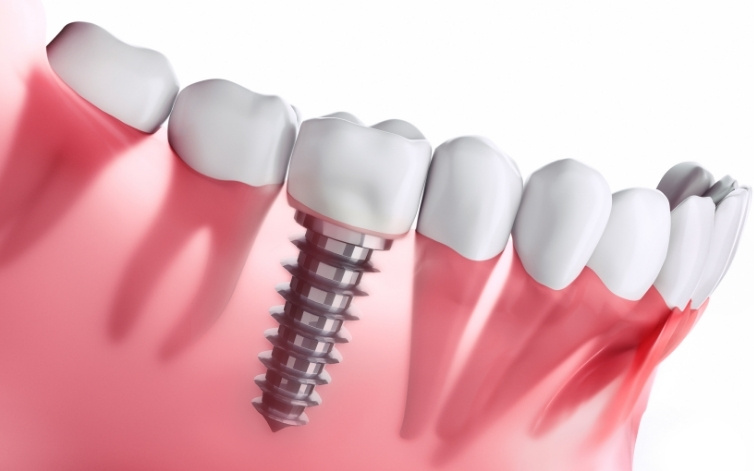
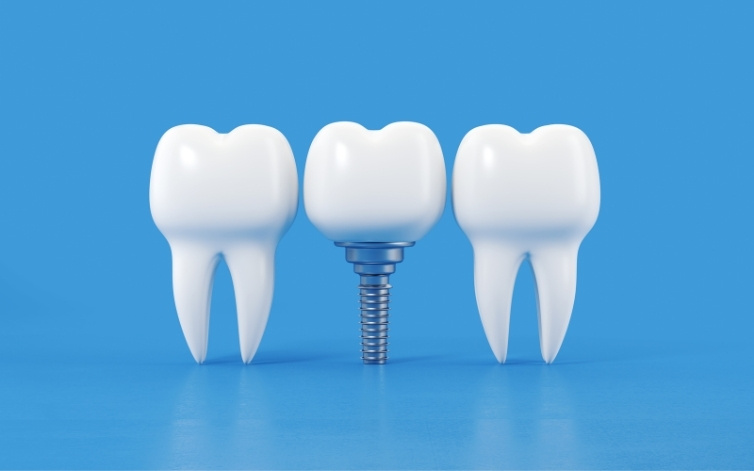
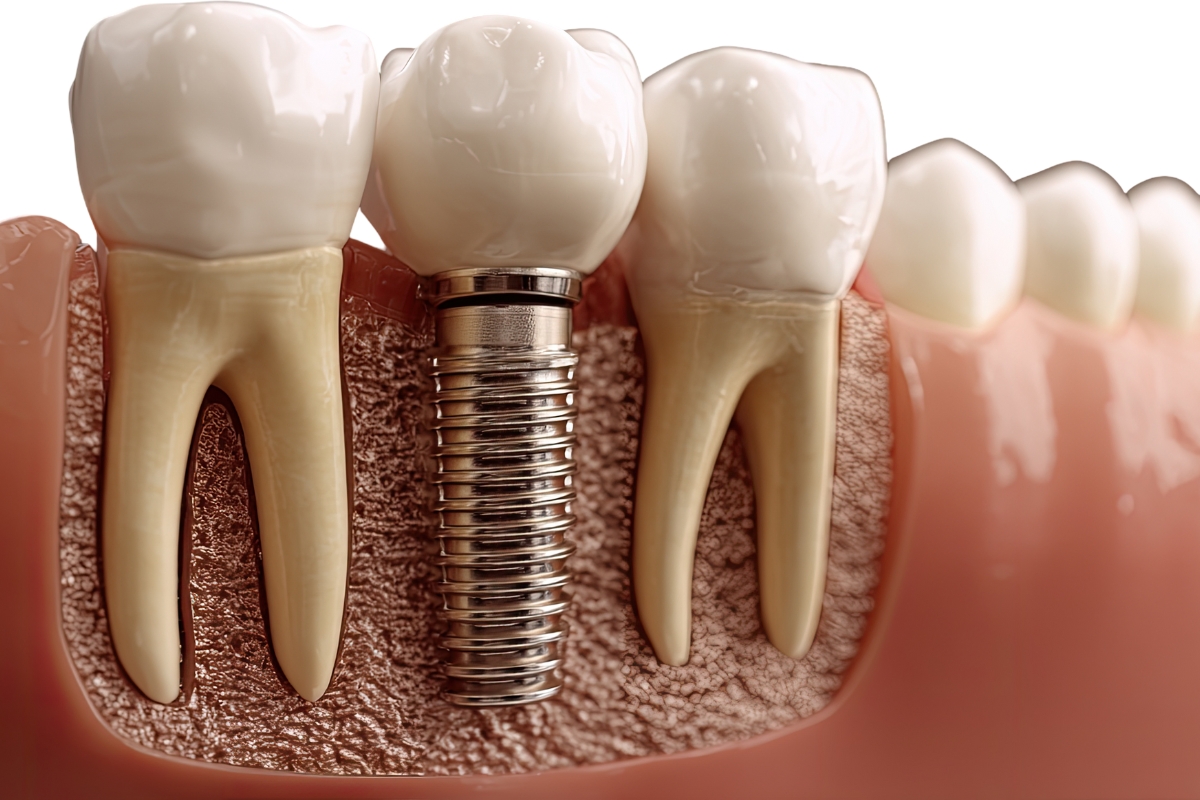
A dental implant consists of three main components: the implant post, the abutment, and the crown. The implant post is a titanium screw placed into your jawbone, serving as the tooth’s root. The abutment connects the implant post to the crown.

Finally, the crown, often made of porcelain, mimics the appearance of your natural tooth. Over time, the implant post integrates with your bone through a process called osseointegration. This integration allows the implant to provide a stable foundation for chewing, speaking, and smiling.

Dental implants restore your smile and help maintain the structure of your jawbone, preventing bone loss that often follows tooth loss.

Post-Implant Surgery Care: The First Few Weeks

Immediate Aftercare Tips:

  • Follow your dentist’s instructions carefully to promote proper healing.
  • Apply cold compresses to reduce swelling.
  • Manage any pain with prescribed painkillers or over-the-counter medication.

Foods to Avoid:

  • Stick to soft foods like mashed potatoes, yogurt, or smoothies.
  • Avoid hard, chewy, sticky foods like nuts, chips, or candy.
  • Avoid extremely hot or cold foods to prevent irritation around the implant site.
  • Cut food into small pieces to minimize pressure on the implant during chewing.

Oral Hygiene Practices:

  • Clean the implant area gently without disturbing the healing process.
  • Use a soft-bristled toothbrush to clean around the implant site.
  • Avoid using harsh mouthwashes or alcohol-based products during the healing phase.
  • Consider using a saline rinse or a gentle antimicrobial mouthwash to reduce bacteria buildup.
  • Refrain from vigorous rinsing or spitting, which may dislodge the clot and delay healing.
  • Follow up with your dentist for post-operative checkups to ensure the implant is healing as expected.

Taking care of your dental implants in the first few weeks is essential for long-term success. By being mindful of what you eat and how you clean your mouth, you can avoid complications and ensure proper healing.

Daily Maintenance Routine for Dental Implants

Brushing Tips:

  • Use a soft-bristled toothbrush to protect the crown from scratches.
  • Brush your teeth twice daily, focusing on cleaning around the implant and gumline.
  • Consider using an electric toothbrush for more efficient cleaning. It can more effectively reach areas around the implant.

Flossing Techniques:

  • Flossing is crucial for preventing plaque buildup around the implant.
  • Use implant-specific floss or interdental brushes to clean between the implant and neighboring teeth.
  • Water flossers can also be a great option, as they are gentle yet effective in cleaning hard-to-reach areas.

Mouthwash:

  • Choose an alcohol-free mouthwash to avoid irritation to the gums surrounding the implant.
  • Rinse with a mouthwash that promotes gum health and reduces bacteria.
  • Avoid products with harsh chemicals that may harm the soft tissue or cause dryness.

Maintaining a consistent daily routine ensures your dental implants remain healthy and functional. Proper brushing, flossing, and gentle mouthwash will help keep your implants free from plaque and bacteria, just like your natural teeth.

Long-Term Care Practices

Regular Dental Checkups:

  • Schedule routine dental checkups every six months to monitor the health of your implants.
  • Your dentist will check the integrity of the implant and ensure that the surrounding gums are healthy.

Professional Cleaning:

  • Regular professional cleanings are essential, even with dental implants.
  • Your hygienist will use special tools to clean around the implant without damaging it.
  • These cleanings help remove plaque and tartar accumulating over time, reducing the risk of gum disease.

X-rays:

  • Occasional X-rays are necessary to ensure the implant integrates properly with the jawbone.
  • X-rays help detect potential issues, such as bone loss or improper alignment, early on.
  • These images give your dentist a clear view of the implant’s position and surrounding bone health.

By staying committed to regular dental visits and cleanings, you ensure that your dental implants remain in excellent condition for years.

Lifestyle Choices That Support Dental Implant Health

Quit Smoking:

  • Smoking significantly increases the risk of implant failure by slowing down the healing process.
  • Tobacco can also lead to gum disease, which can compromise the stability of your dental implant.

Healthy Diet:

  • A nutrient-rich diet supports both your oral health and the health of your dental implants.
  • Foods rich in calcium and vitamin D strengthen your bones and teeth.
  • Incorporate leafy greens, dairy products, and fish into your diet to keep your jawbone strong.

Teeth Grinding and Implants:

  • Teeth grinding, or bruxism, can damage dental implants over time.
  • If you grind your teeth, consider using a mouthguard to protect your implant and natural teeth.
  • Talk to your dentist if you suspect teeth grinding, as they can recommend the best solutions.

Maintaining a healthy lifestyle is crucial for the long-term success of your dental implants. Avoiding smoking, eating a balanced diet, and addressing any grinding issues will help extend the life of your implants.

In summary, caring for your dental implants is essential to ensuring their longevity. A consistent maintenance routine that includes daily brushing, flossing, and regular dental checkups will keep your implants in top condition. Avoid harmful habits like smoking, and be mindful of your diet to support healthy gums and bones.

Staying proactive with your dental care can protect your dental implants Oak Forest for many years. Take charge of your oral health and prioritize regular visits to our dentists. A little effort today will lead to a lifetime of healthy, confident smiles.

How Soon Should You See a Dentist After Breaking a Tooth?

Dental health plays a vital role in overall well-being. Regular checkups help maintain a healthy mouth and prevent serious issues. Unfortunately, dental emergencies can happen to anyone. Broken teeth are among the most common. They can result from various activities, such as sports, accidents, or biting hard foods.

When you break a tooth, seeking timely dental care is essential. Delaying treatment may lead to complications, including infection or further damage. This blog will discuss how soon you should see a dentist after breaking a tooth and what steps to take.

Understanding Tooth Breakage

Tooth breakage varies in severity, encompassing chips, cracks, and complete breaks. Chips are minor surface flaws that may not affect the tooth’s structure. Cracks can extend into the tooth, compromising its integrity. A complete break usually involves a significant portion of the tooth breaking off.

Several factors can cause tooth breakage. Sports accidents or falls often lead to injury. Tooth decay weakens the tooth, making it more susceptible to damage. Grinding your teeth, often caused by stress, can wear down enamel and lead to cracks. Biting hard foods, like ice or hard candies, can also result in chips or fractures.

After breaking a tooth, watch for symptoms. Pain and sensitivity are common indicators. You may experience pain when eating hot or cold foods. Visible damage, like a jagged edge or missing piece, can also signify a problem. Swelling around the affected area may indicate infection or injury.

Recognizing these signs will help you assess the severity of the situation and decide on necessary actions.

Immediate Steps to Take After Breaking a Tooth

Assessing the Damage
Begin by examining the broken tooth. Check if it’s a minor chip or a more serious crack. If it feels loose or you see significant damage, it may require urgent care.

Managing Pain
If you experience pain, consider taking over-the-counter pain relievers. Nonsteroidal anti-inflammatory drugs (NSAIDs), like ibuprofen, can help reduce discomfort and swelling. Follow the recommended dosage on the packaging.

Preventing Further Damage
Avoid certain foods to prevent additional injury. Avoid hard, crunchy, or sticky items. Maintain good oral hygiene by gently brushing and rinsing your mouth. This practice will help prevent infection and keep the area clean.

Use a soft-bristled toothbrush to avoid aggravating the broken tooth. If possible, cover the broken edge with dental wax or sugar-free gum to shield it from irritation until you see a dentist.

When to See a Dentist?

Immediate Care vs. Routine Checkup
If you experience severe pain or bleeding, seek urgent dental attention immediately. An emergency dentist can assess the damage and provide appropriate care. Even if the break seems minor, it is essential to have a dentist evaluate it. Some issues may not be immediately apparent.

Recommended Time Frame for Dental Visit
Aim to see a dentist within 24 hours of breaking a tooth, especially for minor breaks. If the damage is severe, seek help as soon as possible. Prompt treatment reduces the risk of complications and may save the tooth.

What to Expect During Your Dental Visit?

Initial Assessment
During your visit, the dentist will conduct a thorough examination of the affected tooth. They will look for visible damage and may take X-rays to assess the tooth’s structure beneath the surface. X-rays help identify cracks or damage not visible to the naked eye.

Treatment Options
Depending on the severity of the break, the dentist will discuss possible treatment options. For minor chips, they may apply dental bonding or a filling. More severe breaks may require crowns or even root canals. If the tooth is beyond saving, extraction may be necessary.

Aftercare Advice
After treatment, the dentist will provide aftercare instructions. Follow their advice to ensure proper healing. You may need to avoid certain foods for a few days.

Additionally, maintain good oral hygiene to prevent infection and further complications. Regular checkups will help monitor the tooth’s health and address any issues early.

Long-term Considerations

Potential Complications of Delayed Treatment
Delaying treatment after breaking a tooth can lead to severe complications. Infections can develop, causing pain and swelling. Further damage may also occur, leading to tooth loss or the need for more invasive procedures.

Preventative Measures
To strengthen your teeth and avoid future breakage, practice good oral hygiene. Brush twice daily and floss regularly. Use a mouthguard during sports or if you grind your teeth. Avoid hard foods and limit sugary snacks that can contribute to tooth decay. Regular dental visits will help maintain your oral health and address any issues before they escalate.

Timely dental care after breaking a tooth is crucial for preventing complications. Do not hesitate to seek help from a dentist if you experience a dental emergency. Prioritizing your dental health will ensure a healthy smile for years to come. Oral health is essential, so stay proactive about dental care and treatment.

How Can Dental Implants Restore Your Smile?

Tooth loss affects millions of people, leading to a loss of confidence and quality of life. Studies show that missing teeth can impact social interactions and self-esteem. Dental implants offer a transformative solution, providing a permanent replacement for lost teeth. They play a crucial role in restorative dentistry by restoring functionality and aesthetics.

This blog explores the many benefits of implants and how they can help restore your smile.

Understanding Dental Implants

Implants are artificial tooth roots made of titanium, surgically placed into the jawbone. They consist of three main components: the implant itself, the abutment (which connects the implant to the crown), and the crown (the visible part of the tooth).

There are two primary types of dental implants: endosteal and subperiosteal. Endosteal implants are placed directly into the jawbone. In contrast, subperiosteal implants sit on top of the jawbone but under the gum tissue, which is suitable for patients with insufficient bone height.

The process of osseointegration is vital for the success of implants. During this process, the bone grows around the implant, securely anchoring it in place. This fusion provides a strong foundation for the crown, ensuring stability and durability. The result is a replacement that mimics the function and appearance of natural teeth, allowing individuals to smile confidently once again.

Benefits of Dental Implants

Dental metal posts provide numerous benefits, making them a popular choice for tooth replacement. From aesthetic improvements to functional advantages, they contribute to a higher quality of life for many individuals.

Aesthetic Improvements

One of the most significant benefits of implants is their aesthetic appeal. Unlike dentures or bridges, which can look artificial, implants are designed to mimic the look and feel of natural teeth.

The crown, made from porcelain or composite materials, can be custom-made to match the color, shape, and size of your existing teeth. This customization ensures that your smile remains uniform and natural-looking.

Moreover, because implants are anchored in the jawbone, they prevent the sunken facial appearance often associated with missing teeth, allowing individuals to regain their youthful appearance.

Functional Benefits

Dental implants significantly improve oral function, providing advantages that many tooth replacement options cannot. With implants, patients can enjoy the freedom of eating their favorite foods without discomfort or restrictions.

Unlike dentures, which may slip or shift while chewing, implants are securely anchored in place, allowing for a more stable bite. This stability enhances chewing efficiency, making it easier to break down food.

Furthermore, implants improve speech by eliminating the slurring or mumbling that can occur with missing teeth. Patients can talk with confidence, knowing their teeth won’t interfere with their ability to communicate effectively.

Longevity and Durability

When considering tooth replacement options, longevity is a crucial factor. Dental implants are known for their durability and can last many years, often a lifetime, with proper care.

Unlike bridges or dentures that may require replacements or adjustments over time, implants are designed to withstand the test of time. Their titanium roots fuse with the jawbone through a process called osseointegration, creating a strong and stable foundation.

Regular dental check-ups and good oral hygiene practices can further extend the lifespan of implants, making them a cost-effective solution in the long run.

Impact on Oral Health

Beyond aesthetics and functionality, implants are vital in maintaining oral health. One of the most significant benefits is their ability to prevent bone loss. When a tooth is lost, the jawbone can begin to deteriorate due to lack of stimulation. Dental implants stimulate the jawbone, helping to maintain its density and strength. This stimulation prevents bone loss that can lead to changes in facial structure over time.

Additionally, implants do not rely on adjacent teeth for support, preserving the integrity of your natural teeth. By preventing bone loss and maintaining facial structure, implants contribute to long-term oral health and overall well-being.

In summary, implants offer many benefits, including aesthetic improvements, enhanced functionality, longevity, and positive impacts on oral health. They provide a comprehensive solution for individuals seeking to restore their smiles and enjoy a better quality of life.

The Dental Implant Procedure

Consultation and Planning

The journey to getting implants begins with a consultation. The dentist will evaluate your oral health and discuss your needs during this appointment. X-rays and scans may be taken to assess the jawbone’s condition and determine the best approach.

Surgical Procedure

The surgical process typically occurs in stages. First, the dentist places the implant into the jawbone. After this, a healing period of several months allows the implant to integrate with the bone. Once healed, the abutment is attached to the implant, followed by the final placement of the crown.

Recovery and Aftercare

Recovery varies from person to person. You may experience swelling and discomfort, but these usually subside within a few days. Follow your dentist’s post-operative care instructions closely to ensure proper healing. Maintaining good oral hygiene and attending follow-up appointments are crucial for the long-term success of the implants.

Candidates for Dental Implants

Who is a Good Candidate?

Most adults with good oral health can consider implants. Factors include age, sufficient jawbone density, and overall health. Patients should also practice good oral hygiene and have realistic expectations about the process.

Contraindications

Certain conditions can affect candidacy for implants. For example, uncontrolled diabetes, smoking, and certain medications may pose risks. It is essential to discuss your medical history with your dentist to determine if implants are right for you.

Dental implants can significantly restore your smile, enhancing both appearance and function. They offer long-term solutions for tooth loss, improving oral health and confidence. If you are considering implants, consult with a dental professional. They can help you explore your options and guide you toward a radiant smile.